Nigeria's GDP Faces 8% Slump by 2100 Due to Climate Events, Experts Warn
Nigeria is projected to experience a significant economic downturn by the end of the century, with climate events estimated to reduce the country's Gross Domestic Product (GDP) by eight per cent by 2100. This alarming forecast was highlighted at a one-day Environmental, Social and Governance (ESG) and Sustainability Training for Editors and Journalists in Nigeria, organized by consultancy firm Harley Reed Nigeria. Experts at the event warned that Nigeria's vulnerability to extreme weather poses severe risks to macroeconomic stability.
Economic Impacts of Climate Change
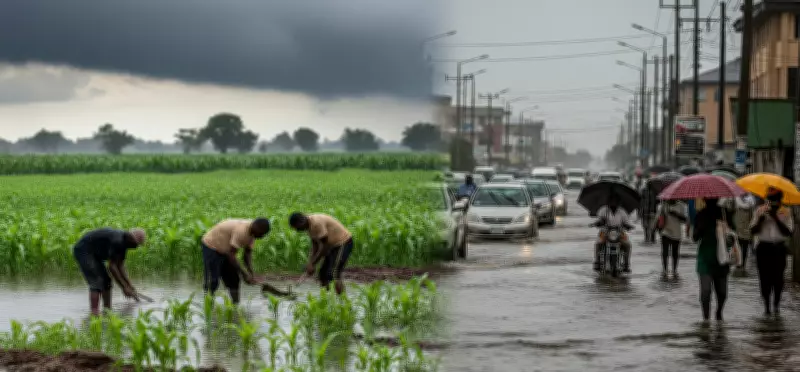
The training revealed that rising temperatures, increased frequency of extreme heat days, and high-intensity rainfall are leading to frequent and significant flooding across Nigeria. This has resulted in heightened public spending for disaster relief and higher imports, straining the national budget. Additionally, projected global sea-level rise is expected to impose annual costs ranging from 0.1 to 0.4 per cent of GDP, further exacerbating economic pressures.
Agatha Afemikhe, Assistant Manager for Risk and Disclosures at Harley Reed Nigeria, emphasized that ESG has evolved beyond Corporate Social Responsibility (CSR) into a hard economic requirement. She stated, "ESG influences everything from access to finance and investor confidence to regulatory compliance and market valuation. Companies that fail to align with ESG expectations risk losing access to capital, facing regulatory sanctions, and suffering reputational damage."

Media's Critical Role in ESG Reporting
Afemikhe described the media as essential for promoting compliance, transparency, and accountability across public and private institutions. She urged journalists to strengthen their coverage of ESG issues, noting that Nigeria must position itself strategically to avoid being sidelined in global investment decisions driven by sustainability metrics. "At a country level, this translates into reduced foreign investment and slower economic growth," she added.
The training was designed to stimulate national conversation on ESG and prepare the media for its oversight role ahead of Nigeria's planned transition to mandatory sustainability disclosures by 2028. Afemikhe announced that targeted awareness for small and medium enterprises (SMEs) would begin before the 2030 mandatory reporting deadline for these businesses.
Challenges and Risks in ESG Reporting
Journalists were cautioned about the rising trends of greenwashing, where companies exaggerate sustainability claims, and greenhushing, where organizations deliberately withhold ESG information. Afemikhe noted that both practices pose significant risks to transparency and investor confidence, making the media's watchdog role even more critical. "The media plays a powerful role in interpreting ESG issues. If sustainability reporting is weak or misleading, it affects how investors see the country," she said.
Beyond environmental risks, the training addressed social and governance issues as major concerns across Africa. These include widespread informal employment, corruption, child labour, and gender inequality. Data presented showed that over 85 per cent of workers in Africa operate without formal contracts or protections, while the continent loses approximately $148 billion yearly to corruption.
Case Studies and Global Implications
Case studies discussed during the session illustrated how ESG failures have triggered global corporate scandals and regulatory actions. Examples included oil spills in Nigeria's Niger Delta, labour abuse allegations in African agribusiness operations, and corruption investigations in South Africa. Afemikhe stressed that rigorous reporting is necessary to ensure ESG commitments translate into measurable outcomes in environmental protection, social responsibility, and ethical governance.
"Journalists must look beyond the figures presented in reports and verify whether they reflect real compliance and accountability," she advised. Sustained media scrutiny, she added, will strengthen institutional responsibility and improve societal wellbeing, ultimately shaping Nigeria's ESG future and influencing investor perception and public trust.