Nigeria's One-Way Economy: The Persistent Pricing Paradox
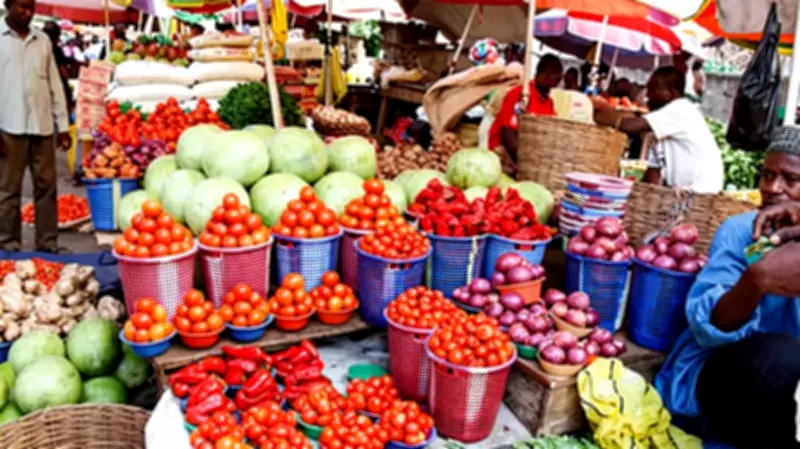
Nigeria currently confronts a deeply troubling economic paradox that affects millions daily. Prices escalate rapidly when economic conditions deteriorate, yet they stubbornly refuse to decline when those same conditions show signs of improvement. This phenomenon has quietly evolved into one of the most dangerous distortions within the nation's economic structure, creating what observers describe as a "one-way economy" where prices move effortlessly upward but almost never downward.
The Exchange Rate Argument That No Longer Holds Water
For years, Nigerians were consistently informed that rising prices resulted primarily from the naira's weakening against the United States dollar. Businesses explained that currency depreciation increased costs for importing machinery, raw materials, and finished goods. This explanation held reasonable validity given Nigeria's heavily import-dependent economy. However, recent developments have exposed a more profound problem: even when the naira stabilizes or records modest improvements, prices rarely adjust downward. Instead, they either remain at elevated levels or continue their upward trajectory, leaving consumers bearing the full burden of inflation even when underlying economic pressures ease.
Global Conflicts and Nigeria's Missed Advantages
Recent geopolitical tensions involving Iran, Israel, and the United States have again shaken global energy markets, particularly affecting the strategic Strait of Hormuz oil transit route. Historically, instability in this region leads to surges in global crude oil prices. For oil-producing nations like Nigeria, this should normally translate into increased government revenue and potentially improved economic conditions. Analysts consistently note that African oil exporters typically benefit from such global price surges through higher export earnings. Yet in Nigeria, the opposite often occurs. Instead of economic relief, citizens experience even higher prices for goods and services.

Energy occupies a uniquely influential position in Nigeria's economic structure because it directly impacts nearly every sector. When petrol prices increase, the effects spread rapidly throughout the system. Transportation costs rise, food distribution becomes more expensive, manufacturing expenses increase, and construction logistics grow costlier. Recent market reports indicate petrol prices approaching N1,150 to N1,500 per litre in some regions, developments that businesses warn will significantly increase operating costs. As expected, these costs transfer directly to consumers, creating nationwide inflation ripple effects affecting everything from food prices to construction materials.
Cement and the Construction Crisis
The most striking example of Nigeria's pricing paradox manifests in the cement industry. Cement, a fundamental input for housing construction, is largely produced locally using Nigeria's abundant limestone deposits. Yet its price has surged dramatically within a remarkably short period. Industry observations reveal that cement selling for approximately N3,500 per bag just a few years ago has climbed sharply. By early 2026, prices reached between N9,000 and N10,000, with several markets across the country now selling cement at N11,500 to N15,000 per bag. This represents an extraordinary increase for a basic construction material.
The consequences for Nigeria's housing sector prove severe. Developers face project delays, escalating construction budgets, and in some cases, abandoned housing projects. As building costs rise, the dream of affordable housing moves further from reach for ordinary Nigerians. The nation already confronts a housing deficit estimated in millions of units. Continued instability in building material pricing only worsens this challenge and threatens long-term national development.
Structural Issues Driving the Pricing Pattern
Several structural issues contribute to Nigeria's unusual pricing pattern:

- Weak Competition: Key industries remain dominated by small numbers of players, making price increases easier without significant downward pressure.
- Supply Chain Distortions: Multiple layers of distributors and intermediaries often inflate prices before goods reach final consumers.
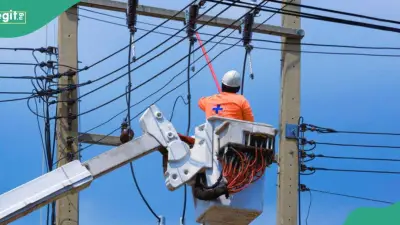
- High Energy Costs: Unreliable electricity supply forces manufacturers to depend heavily on diesel generators, dramatically increasing production expenses.
- Policy Uncertainty: Frequent changes in taxation, import duties, and currency policies create instability in business cost structures.
- Import Dependency: Nigeria still imports significant portions of refined petroleum products and industrial inputs, making the economy vulnerable to global shocks.
Pathways to Reform and Correction
If Nigeria must correct this dangerous pricing pattern, decisive reforms become essential:
- Price Transparency Laws: Government should require major industries to publish cost structures and pricing benchmarks for essential goods including cement, fuel, fertilizer, and staple foods.
- Stronger Competition Regulation: The Federal Competition and Consumer Protection Commission must receive strengthening to prevent price fixing, monopolistic practices, and market dominance.
- Energy Cost Reduction: Reliable electricity supply would significantly lower manufacturing costs currently burdened by diesel generator dependence.
- Promotion of Local Production: Nigeria must deepen domestic production in sectors like petrochemicals, fertilizer, building materials, and food processing to reduce import dependency.
- National Commodity Price Monitoring: Government could establish real-time systems to track essential goods prices nationwide and detect abnormal increases.
- Infrastructure and Logistics Reform: Improved rail systems, better highways, and efficient ports would reduce distribution costs across the country.
- Strategic Tax Incentives: Key industries including cement, steel, agriculture, and housing materials could receive temporary tax incentives tied to price stability commitments.
Until Nigeria confronts the deeper economics of pricing, growth statistics may appear encouraging on paper, but the everyday reality for millions of Nigerians will remain one of rising hardship and economic pressure. The nation requires deliberate policy reforms and potentially strong executive bills supported by legislation to build a fair and functional economy that serves all citizens.