Nigeria's Q1 Economy Exhibits Resilience Amid Persistent Insecurity and Uneven Sectoral Growth
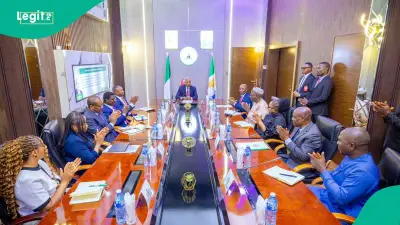
Nigeria's economy has recorded a steady yet cautious performance in the first quarter of 2026, with leading economists emphasizing its resilience despite ongoing structural challenges. These include persistent insecurity, uneven growth across sectors, and significant pressure on consumers. The insights were shared at the European Business Chamber (Eurocham) Nigeria CEO session held in Lagos, themed "Navigating the Q1 Economy and Financing Industrial Growth."
Macroeconomic Stability and Underlying Risks
According to Olusegun Zaccheaus, Chief Economist at PwC Nigeria, the economy progressed decently well in Q1 despite external and domestic shocks. He explained that the monetary environment is expected to remain stable, while fiscal conditions continue to evolve without any major anticipated downturn. However, Zaccheaus highlighted that consumers remain under pressure, and growth has been uneven, with the oil and gas sector outperforming others like manufacturing.
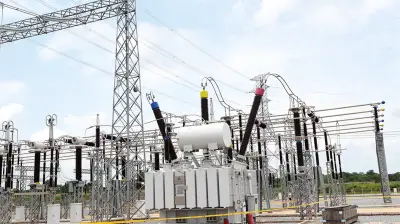
He identified insecurity as a major recurring challenge, warning that it continues to damage Nigeria's global image and elevate sovereign risk, potentially discouraging foreign investment. Zaccheaus stressed the urgent need to unlock productivity across the economy, particularly through reforms in the power sector. While acknowledging government efforts to address structural bottlenecks, he noted that sustained intervention is necessary to drive meaningful improvements.

Zaccheaus projected a stronger economic performance in 2026 compared to 2025, urging the government to maintain policy consistency, strengthen security, and create a more investment-friendly environment. He pointed to renewed activity in the oil and gas sector due to returning investments after years of stagnation, as well as continued growth in telecommunications and technology as bright spots in the economy.
Stabilizing Environment and Credit Perspectives
Chinwe Egwim, Chief Economist at First Bank Group, described the macroeconomic environment as stabilizing, though influenced by global economic dynamics. She explained that fluctuations in global oil prices have created a dual effect, boosting government revenues while placing strain on businesses and households at the microeconomic level.
Egwim noted that while the overall outlook remains positive, there are noticeable financial pressures on businesses and consumers. From a credit perspective, she stated that liquidity in the financial system has improved since the third quarter of the previous year, supporting increased access to funding. However, she cautioned that many small and medium-sized enterprises still face challenges related to documentation, structuring, and meeting lending requirements.
She added that credit availability is generally improving across core sectors, reflecting broader banking industry trends rather than isolated institutional efforts. Egwim emphasized the importance of proper financial structuring and repayment capacity for businesses seeking financing.
Collaborative Initiatives and International Support
Chigozie Okwara, General Manager of Eurocham Nigeria, described the event as critical, especially in light of new reforms spanning taxation, policy, and economic planning. He noted that initiatives are underway to enhance collaboration, attract investment, and transfer European technological expertise to Nigerian businesses.
Okwara said such partnerships aim to raise operational standards and competitiveness, with Nigerian participation already strong across joint ventures. He added that future efforts will focus on expanding business matchmaking opportunities and strengthening cross-border cooperation.
Hamza Al-Assad, Director and Head of Nigeria at the European Bank for Reconstruction and Development (EBRD), explained that Nigeria became a member and country of operation in 2025, with the bank establishing a local presence to support investment and development. Al-Assad stated that the institution evaluates a wide range of factors before financing projects, including financial viability, governance standards, regulatory conditions, and risk allocation.

He emphasized the EBRD's role not only in funding but also in helping businesses become more "bankable" by improving project structures and aligning with international standards. Al-Assad added that Nigeria's inclusion in the bank's expansion into sub-Saharan Africa reflects both its economic potential and growing interest from international stakeholders. The EBRD is targeting key sectors and aims to work closely with local partners to drive sustainable investment.