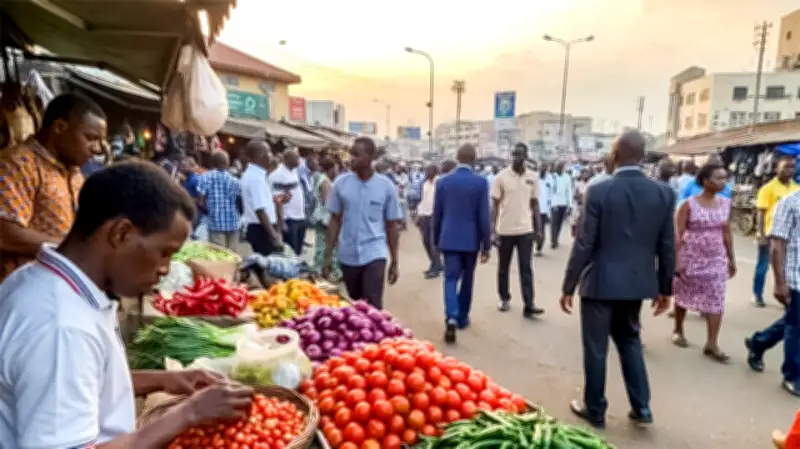
In the quest for survival, millions of citizens have been plunged into severe hardship by the various economic reforms of the government, coupled with the current war between Israel, Iran, and the United States of America, which has made the price of energy soar. Every day, millions of Nigerians grapple with the exorbitant cost of living, increases in the cost of transportation, unaffordable prices of staple foods and essential household items, exorbitant increases in rent, and increasing tuition fees.
Poverty Remains a Major Challenge
As of May 2026, poverty remains one of the biggest social and economic challenges in Africa’s most populous nation. Recent reports from international organisations such as the World Bank, International Monetary Fund, United Nations, and development agencies show that poverty has continued to rise, despite economic reforms and easing inflation. According to the World Bank report in April 2026, poverty in Nigeria rose to 63 per cent in 2025, meaning that around 140 million Nigerians were living below the poverty line. In another finding, it was reported that Nigeria’s official multidimensional poverty report showed that over 133 million Nigerians suffer deprivation in areas such as healthcare, education, nutrition, employment, sanitation, and living standards. In addition to projections cited by PWC and international lenders, poverty could remain above 62 per cent through 2026, mainly because of inflation, unemployment, and weak income growth.
The Need for Government Action
There is a serious lacuna rearing its ugly head at us if the government fails to be alive to its responsibilities by providing the basic infrastructure and enabling environment that will ease the economic hardship citizens are currently grappling with. This has made the country experience resultant effects like brain drain, which has led to the mass exodus of our brightest and most talented minds to the developed world. According to Adam Smith, in his renowned work, The Wealth of Nations, necessities are the things society considers essential for living decently. Similarly, Karl Marx also wrote about material needs such as food, clothing, and shelter as foundational human requirements for sustenance. In a country where citizens do not have access to these essential necessities, life will become unbearable, and the resultant effects will be obvious. This would lead to an increase in emigration and crime rates because citizens will be looking for ways and means to keep body and soul together.

Addressing Rent and Other Burdens
There is an urgent need for the government to address the issue of exorbitant rent charged by private homeowners. Today, the average annual rent for a studio apartment is about 1 million Naira in places like Lagos and Abuja, and even more depending on the location. A bachelor’s pad now costs between 2 million and 2.5 million Naira yearly, excluding other additional fees such as agency fees, just to mention a few. There is also an urgent need for different agencies of government to soften the burden on citizens.
Lessons from Botswana
A very good example of a country that overcame the challenges of severe hardship among citizens is Botswana. Botswana is often seen as one of Africa’s success stories because it reduced poverty significantly after independence and improved the living standards of many citizens. From being one of the poorest countries in the world in the 1960s, Botswana developed into an upper-middle-income country through good management of its diamond resources, political stability, and investment in social services. One major reason poverty reduced in Botswana was the government’s careful use of diamond revenue. Instead of allowing the country’s natural resources to benefit only a few people, the government invested money into roads, schools, hospitals, electricity, clean water, and public services. This helped improve the daily lives of ordinary citizens. Access to education and healthcare increased greatly, and many communities experienced better living conditions over time.

Botswana's Social Welfare and Housing Policies
Botswana also introduced social welfare and poverty-eradication programmes to support vulnerable citizens. The government worked with organisations such as the United Nations Development Programme to create policies aimed at reducing extreme poverty and improving opportunities for all citizens. Botswana’s National Poverty Eradication Policy focuses on creating jobs, supporting small businesses, and helping families become financially independent. Housing has also been an important part of Botswana’s development. Through the Botswana Housing Corporation and the Bonno National Housing Programme, the government has continued working to make housing more accessible and affordable for low and middle-income families. In 2025 and 2026, Botswana expanded affordable housing plans to reduce housing shortages and improve living standards across the country. Thousands of new housing units were planned nationwide to help citizens own homes and reduce overcrowding.
Stability and Affordability in Botswana
Compared to many African countries, Botswana is considered relatively peaceful, stable, and organised. Many citizens enjoy access to electricity, water, education, mobile banking, and modern infrastructure. The country is also known for low corruption levels and democratic governance, which have helped economic growth over many years. In terms of cost of living, Botswana remains more affordable than many Western countries. Rent outside major urban areas is generally lower, and food insecurity has reduced compared to decades ago. Some reports in 2026 described Botswana as one of Africa’s more affordable countries for comfortable living, especially outside expensive city centres. However, it is important to note that Botswana still faces challenges today. Poverty has reduced greatly, but it has not disappeared completely. Some rural communities still struggle with unemployment and food insecurity, while rent in cities like Gaborone has become expensive for some young people and low-income earners. Inequality also remains high.
Conclusion: A Path Forward for Nigeria
Overall, Botswana remains one of the strongest examples in Africa of how good leadership, investment in education and infrastructure, and responsible use of natural resources can reduce poverty and improve the quality of life for citizens. Even though challenges still exist in 2026, many people in Botswana live more comfortably today than in the past because of decades of economic development and social investment. If we can diversify our economy and promote exports, we will be able to generate foreign exchange and increase our foreign reserves. We must also ensure that we diversify our economy so that we are not heavily dependent on oil, while also addressing the issue of insecurity. This would attract foreign direct investment and encourage investors to come and invest. Through this, the plight of the masses can be improved, and our country will become a nation Nigerians can be proud of.