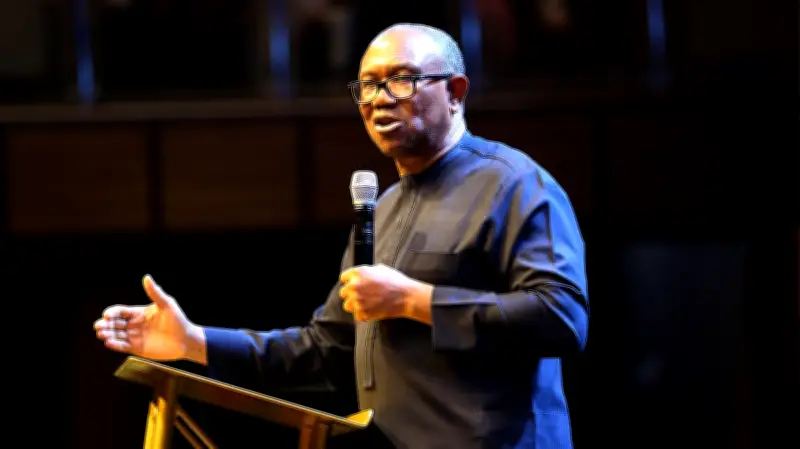
Peter Obi, presidential candidate of the Nigeria Democratic Congress (NDC), has raised concerns over Nigeria's rising debt profile, urging the Federal Government to adopt clearer and more transparent borrowing practices similar to South Africa's model.
Obi's Statement on Borrowing Transparency
In a statement on Thursday, Obi pointed to South Africa's recent $1 billion loan approval by the New Development Bank as an example of accountable borrowing. He noted that the purpose of the facility was clearly stated and publicly disclosed from the outset.
South African authorities explained that the loan would be deployed to upgrade water supply systems, modernise sanitation infrastructure, improve electricity distribution, and strengthen waste management services across major cities. This transparency enables citizens to track implementation and assess outcomes.

Borrowing Not Inherently Wrong
The former Anambra State governor stressed that borrowing is not inherently wrong, noting that many countries rely on debt financing for development. However, he insisted that transparency, accountability, and measurable impact must guide all borrowing decisions.
“There is much to learn from the open and transparent manner in which South Africa secured and explained the purpose of its loan facility. Citizens know what the money is meant for and can monitor the projects,” Obi said.
Nigeria's Debt Situation
Obi contrasted this with Nigeria's debt situation, expressing concern that the country's public debt has risen significantly in recent years without sufficient clarity on the projects being financed. He noted that Nigeria's public debt stock has reportedly grown from about ₦87 trillion in 2023 to nearly ₦200 trillion, raising questions about transparency and fiscal sustainability.
Despite the surge in borrowing, he said many Nigerians are unable to identify projects or social investments that reflect the scale of the debt accumulated. He maintained that every loan taken in the name of Nigerians should be tied to productive investments capable of creating jobs, boosting economic growth, reducing poverty, and improving public welfare.
Call for Fiscal Discipline
Obi further argued that governments have a responsibility to disclose what is borrowed, how funds are spent, and the measurable outcomes achieved. According to him, accountability in public finance is particularly important amid rising living costs, unemployment, insecurity, and declining purchasing power.
He warned that unchecked borrowing without visible impact risks burdening future generations while failing to address current economic challenges. Obi called for stronger fiscal discipline and greater transparency in public debt management, insisting that borrowing decisions should be judged by their impact on citizens' lives.
His remarks come amid growing national debate over Nigeria's rising debt profile and calls for improved oversight of public borrowing and expenditure.