Fuel Crisis Deepens in Ibadan as Petrol Price Hits N1,080 Per Litre, Transport Fares Soar
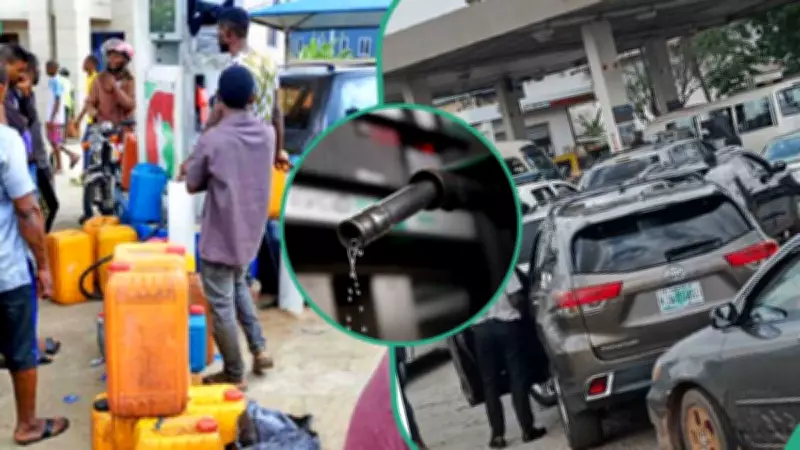
Motorists and commuters in Ibadan and surrounding communities are confronting a severe fuel crisis, with Premium Motor Spirit (PMS), commonly known as petrol, now selling for between N1,020 and N1,080 per litre at various filling stations. This sharp increase has resulted in extensive queues at petrol stations, creating significant difficulties for drivers attempting to purchase fuel.
Transportation Costs Escalate Across the City
The immediate impact of the rising petrol prices is being felt in the transportation sector, where fares have begun to climb on multiple routes throughout Ibadan. What started as isolated adjustments is now spreading across the metropolis as commercial drivers struggle to cope with the escalating cost of fuel.
Specific fare increases include:

- Passengers traveling from Mokola to Ojoo now pay approximately N600, up from the previous N500.
- The fare between Dugbe and Moniya has risen to around N900, compared to the earlier N600.
Checks across the city indicate that these price changes are gradually extending to other routes as transport operators adjust their charges to reflect the higher operational costs. Commercial driver Sulaiman Adeyemi explained that operators often face criticism for raising fares, but emphasized that these decisions are driven by the unavoidable increase in fuel expenses.
Motorists Face Growing Scarcity and Accessibility Issues
Beyond the price surge, motorists are encountering increasing difficulty in actually finding petrol. Numerous drivers have been observed moving through the city with jerry cans in search of fuel as availability tightens significantly.
Several filling stations that opened early in the morning reportedly closed their gates later in the day, leaving many motorists stranded and forcing others to join even longer queues at stations that continued dispensing fuel. One motorist described spending hours moving from one petrol station to another in search of fuel, highlighting the growing frustration among vehicle owners.
Broader Economic Implications and Resident Concerns
Residents are expressing serious concerns about the potential ripple effects of the ongoing fuel crisis. Many fear that if the current trend continues, both transportation costs and the prices of basic goods could rise further across the city, worsening the cost of living for numerous households.
One car owner warned that the continuous increase in petrol prices could have devastating consequences for family budgets and overall economic stability in the region. The situation has created anxiety among citizens who are already grappling with various economic challenges.
Global Context Behind the Price Adjustment
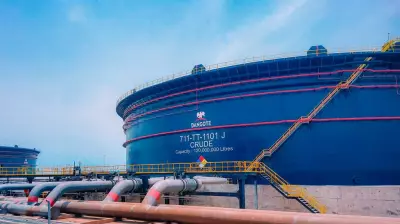
The latest adjustment in pump prices coincides with global oil prices climbing to approximately $84 per barrel, representing a sharp increase from levels below $70 per barrel just days earlier. This surge is attributed to geopolitical tensions involving the United States, Iran, Israel, and other countries, demonstrating how international events can directly impact local fuel markets and consumer prices in Nigeria.
The combination of international market pressures and local distribution challenges has created a perfect storm for fuel consumers in Ibadan, with no immediate relief in sight as queues continue to form at petrol stations throughout the city.