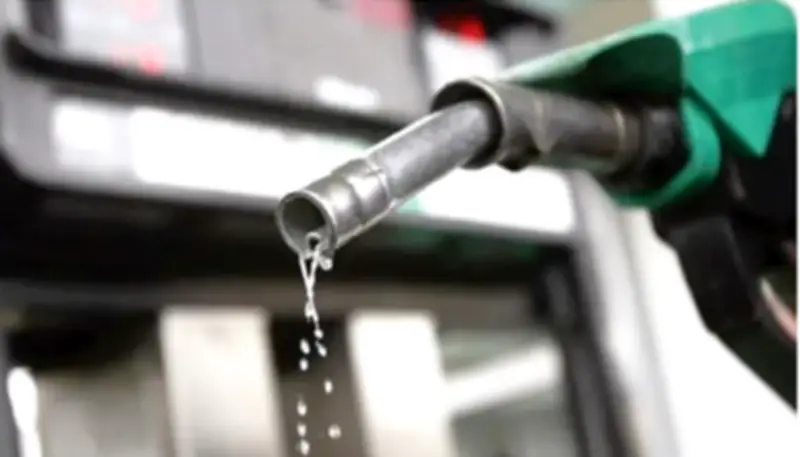
The price of Premium Motor Spirit (petrol) in Nigeria has skyrocketed by approximately 643 percent over the past three years, rising from around ₦175 per litre in May 2023 to between ₦1,300 and ₦1,400 per litre in May 2026, according to recent reports.
Subsidy Removal and Naira Devaluation Trigger Price Hike
The sharp increase in fuel prices was triggered by the removal of the fuel subsidy by President Bola Tinubu shortly after he assumed office on May 29, 2023. The subsequent devaluation of the naira further worsened the situation, pushing import-dependent fuel costs beyond the reach of many Nigerians.
Three years later, petrol now sells for between ₦1,300 and ₦1,400 per litre at filling stations across the country, depending on location. The latest surge, from about ₦800 in previous months to current levels, has also been linked to global oil market disruptions following tensions in the Middle East and the reported closure of the Strait of Hormuz.

Immediate Impact of Subsidy Removal
Immediately after taking office, President Tinubu announced that “the fuel subsidy is gone,” a policy decision that led to an immediate jump in petrol prices from around ₦175–₦200 to over ₦500 per litre. The Nigerian National Petroleum Company Limited (NNPC), then the sole importer of petrol, subsequently adjusted pump prices upward in response to the new pricing framework.
The removal of subsidy, alongside exchange rate adjustments introduced in 2023, further pushed petrol prices above ₦1,000 per litre at various points. Although the NNPC initially sold petrol below landing cost under what was described as “under-recovery,” the arrangement was later acknowledged as an implicit subsidy. Former NNPC Chief Financial Officer Umar Ajiya previously explained that government-directed pricing meant the company was selling imported petrol below landing cost, with the difference effectively absorbed as a subsidy.
Brief Price Moderation and Renewed Increase
Following these developments, petrol prices climbed to as high as ₦1,080 per litre before moderating briefly with the entry of the Dangote Petroleum Refinery, which triggered competitive pricing in late 2024. At that time, prices dropped to between ₦800 and ₦900 per litre before rising again in 2026 amid renewed global oil market pressures.
The latest increase has contributed to rising inflation, higher transportation costs, and increased prices of goods and services across the country.