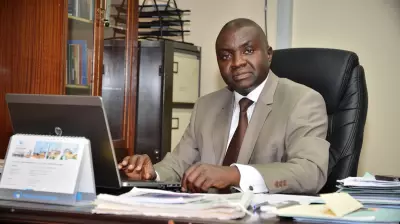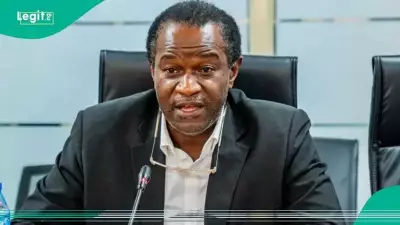
The Director-General of the Nigeria Employers' Consultative Association (NECA), Adewale-Smatt Oyerinde, has emphasised that back-end negotiations with organised labour before committee-level discussions on the next national minimum wage will help avert industrial crises and resolve emerging labour issues. In an interview with GLORIA NWAFOR, he outlined expectations for the future of work, the impact of global tensions on the economy, and the private sector's readiness for wage reviews.
Shaping the Future of Work
Oyerinde noted that the future of work has been accelerated by COVID-19, forcing a re-evaluation of traditional work models. He highlighted that employees now prioritise mental health, flexibility, and meaning in work beyond monetary compensation, while employers focus on sustainability and competitiveness. He confirmed that employers are evolving to meet these changing expectations, including addressing mental health and providing flexible work arrangements.
Impact of Middle East Tensions on the Economy
Discussing the impact of the Middle East conflict on global oil prices, Oyerinde described it as both an opportunity and a threat. For Nigeria, struggling to meet its OPEC production quota, higher crude prices may not translate into significant gains. He called for government intervention to mitigate rising energy costs, which affect transportation, logistics, and production, ultimately reducing purchasing power. He suggested innovative measures such as state-owned buses providing free transport during peak hours to support workers and households.

Employers' Role in Wage Increases
Oyerinde reaffirmed NECA's commitment to decent wages, noting that many private sector organisations already pay above the N70,000 minimum wage. He advocated for responsible business conduct, ensuring workers receive a living wage and a decent working environment. He mentioned ongoing discussions at the International Labour Organisation (ILO) on living wages, with NECA open to collaboration with organised labour.
Next Minimum Wage Negotiations
Regarding the next minimum wage, Oyerinde stressed the importance of pre-engagement sessions between employers and labour before formal committee meetings. He identified gaps in previous negotiations that started at the committee level, leading to disharmony. He hopes for a more structured dialogue ahead of the 2027 minimum wage review, with early engagement to harmonise positions.
Private Sector Readiness for Wage Review
Oyerinde shared that he returned from the ILO governing body meeting in Geneva with a document outlining global parameters for wage negotiations. He has circulated this to key stakeholders, including the National Minimum Wage Committee, the National Salaries, Incomes and Wages Commission, the Minister of Labour, and the NLC President. He believes educating all parties on these parameters will facilitate smoother negotiations.
Addressing Insecurity
On insecurity, Oyerinde noted that it discourages business investment, particularly in the North East, and exposes young people to recruitment by bandits. He commended the military's efforts but called for more measures to protect businesses and communities.
Tackling Unemployment and Skills Gap
Oyerinde identified job availability and skills mismatch as the main causes of unemployment. He proposed tax rebates for private sector job creation and urged curriculum reforms at all education levels to align with modern demands, including AI and ICT. He emphasised that universities must update their courses to prepare students for the future.
Message to Workers and Labour Leaders
Ahead of Workers' Day, Oyerinde commended the NLC and TUC for their commitment and cooperation with the private sector. He praised their role in maintaining productivity and fostering mutual interests in decent work and wages.