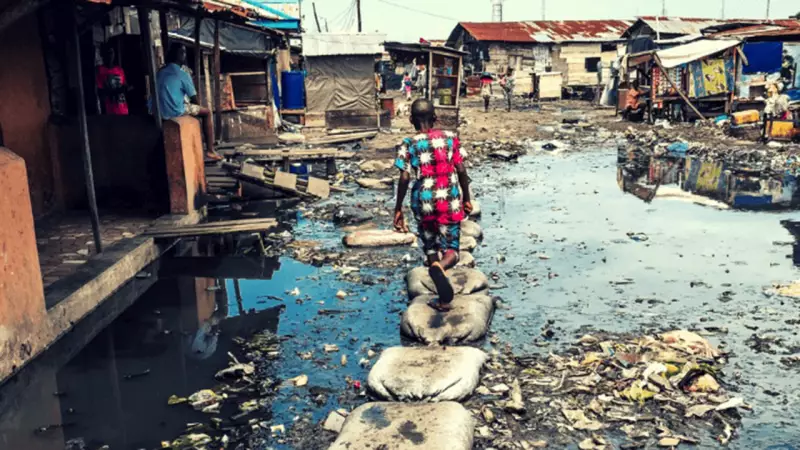
A stark new economic forecast warns that Nigeria's poverty crisis is set to deepen dramatically, with over 140 million citizens potentially living in destitution within the next two years.
PwC's Dire Poverty Projection
According to the professional services firm PricewaterhouseCoopers (PwC), approximately 141 million Nigerians could be classified as poor by the year 2026. This staggering figure represents about 62 per cent of the country's estimated population. The projection was detailed in PwC's Nigeria Economic Outlook 2026 report, which was released on Tuesday, January 6, 2026.
The report, titled "Turning Macroeconomic Stability into Sustainable Growth," delivers a sobering assessment. It indicates that recent government policy adjustments, while aimed at stabilising the broader economy, have so far failed to produce measurable improvements in the welfare of ordinary citizens. The disconnect between macroeconomic measures and micro-level suffering is becoming increasingly apparent.

Why Incomes Are Losing the Battle
The core of the problem lies in a crushing combination of stagnant earnings and relentless price hikes. PwC analysts point to weak real income growth paired with persistently high costs of living as the twin engines driving millions more into poverty. Even if the headline inflation rate begins to moderate, as some economists expect, the pace of price increases is still predicted to far outstrip any growth in wages or business income for the majority.
"Most Nigerians are unlikely to see income increases that meaningfully offset rising costs in the near term," the report states bluntly. This creates a scenario where households are constantly falling behind, with their purchasing power eroded month after month. The situation is most acute for those at the lower end of the income spectrum, who spend a larger portion of their earnings on basic necessities like food and transportation.
Vulnerability and the Risk of Economic Shocks
The consequence of this widening gap between income and expenses is a population left highly exposed. Households remain highly vulnerable to any kind of economic shock, whether it's a further rise in fuel prices, a health emergency, or a downturn in local employment. Without a financial buffer, even a minor unexpected expense can push a family from struggling into outright poverty.
PwC's analysis underscores that the projected rise in the poverty rate to 62 per cent is not due to a single factor but is the result of compounding effects. Sluggish income growth and lingering inflationary pressures feed off each other, creating a cycle that is difficult to break without targeted and effective intervention. The report serves as a critical alert that achieving statistical economic stability is not enough; the focus must urgently shift to generating tangible, widespread improvements in living standards.