Renowned economist Bismarck Rewane has issued a stark warning to Nigeria, stating the country must prepare for difficult economic times ahead. This caution comes despite his earlier optimistic projections for a capital market boom, as declining global crude oil prices and other uncertainties pose a serious threat to the nation's fiscal health.
Capital Market Boom vs. Broader Economic Headwinds
During a recent television interview, Rewane, who is the Managing Director of Financial Derivatives Company, clarified that his November 2025 forecast of a boom was specifically targeted at the capital markets, not the wider economy. He projected that Nigeria's stock market capitalisation could experience a massive surge, rising from N93 trillion to N230 trillion by the end of 2026.
This growth, he explained, would be propelled by the anticipated listings of major entities like the Dangote Refinery and NNPC Limited, coupled with strong corporate earnings. However, Rewane tempered this optimism with a warning about the potential formation of an asset bubble and an inevitable market correction.

The Oil Price Threat and Inflation Outlook
The economist expressed deep concern over the steady decline in crude oil prices, a critical source of government revenue. Prices have fallen from $64 per barrel in November 2025 to around $60, with Rewane predicting a possible further drop to $55. He emphasised the direct impact on the national budget, stating, "Every dollar reduction in the price of crude increases our fiscal deficit. We'll have less money to spend."
He noted that Nigeria's response capabilities are further hampered by its OPEC production quota limits and the persistent issue of pipeline vandalism in the Niger Delta region. On the inflation front, Rewane projected a temporary spike in the December 2025 inflation figures, potentially reaching the 20s or 30s percentile due to the rebasing effects of a new Consumer Price Index (CPI) methodology adopted in December 2024.
He assured the public this would be a "one-month phenomenon," with headline inflation expected to moderate to around 13% by mid-2026. Factors like exchange rate stability, declining petrol prices, and potential interest rate cuts should help ease inflationary pressures.
Policy Recommendations and Silver Linings
Facing a squeeze from reduced oil income, Rewane called for significantly greater transparency and efficiency in government expenditure. He stressed that debt servicing obligations would consume funds otherwise needed for vital sectors like health, education, and infrastructure.
He also suggested the Central Bank of Nigeria (CBN) should allow the naira to find its fair value within the N1,400 to N1,500 range against the US dollar to eliminate arbitrage opportunities between the official and parallel markets. Regarding monetary policy, he predicted the Monetary Policy Committee (MPC) might cut interest rates by 25 or 50 basis points in February 2026, depending on actions by the US Federal Reserve.
Despite the challenges, Rewane highlighted several positive developments:
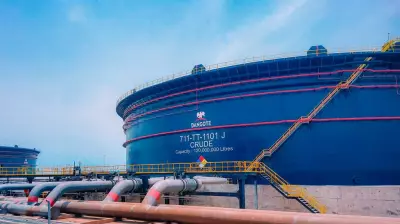
- The Dangote Refinery is operating optimally.
- Petrol prices in Nigeria are significantly lower than in neighbouring countries; Nigerians pay about 30% of what South Africans pay.
- Companies previously hurt by exchange rate volatility are now returning to profitability.
In conclusion, Rewane stated that while Nigeria has developed some buffers against external shocks, navigating 2026 successfully will demand harder work, more efficient deployment of resources, and crucial institutional reforms.