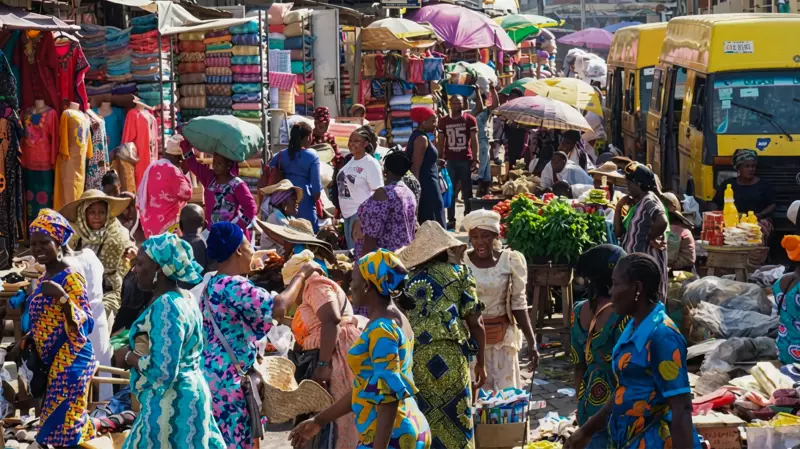
In Nigeria, the act of worrying has transcended mere emotion to become a collective national experience. For the mother in Lagos, the jobless graduate in Abuja, or the trader in Kano battling soaring prices, anxiety is not a choice but a constant companion in the struggle for survival. This pervasive state of mind, however, is more than just a reaction to hardship; it is a form of devotion to the very problems that plague the nation. The question for millions is how to break this cycle in the face of systemic failures that test the limits of public patience.
The Crushing Weight of Daily Economic Anxiety
The statistics paint a stark picture of the realities feeding national worry. While headline inflation showed signs of easing in late 2025, it remained high at between 14 to 18 percent, placing immense strain on households. Food insecurity is a critical emergency, with nearly 31 million Nigerians facing acute hunger. United Nations agencies project this crisis could deepen in 2026, potentially putting 35 million people at risk of severe hunger—the highest number on the African continent.
Beyond the dinner table, economic pressures are multifaceted. Over 100 million citizens live below the poverty line, and youth unemployment continues to be a heavy burden on families and communities. For business owners, policy unpredictability creates a landscape of fear, while parents are locked in a perpetual juggling act with school fees, rent, and other basics amidst relentless inflation and currency instability.

From Concern to Paralysis: The Physical and Societal Toll
Chronic worry exacts a severe human cost. It triggers the brain's fear center, leading to long-term health issues like hypertension, ulcers, and anxiety disorders. This state of constant alert erodes patience, clouds judgment, and diminishes trust. Economically, it drives panic-based decisions—risky investments and unsustainable debt—that worsen personal and national outcomes.
It is crucial to distinguish between productive concern and debilitating worry. Concern is action-oriented, leading to planning and collaboration. Worry is undisciplined, creating a loop of inaction and despair. Examples exist of those who have made this shift: a Lagos trader who transformed anxiety over food costs into a strategy of bulk buying and supplier negotiations, and an Abuja graduate who channeled job search frustration into skill development and freelance work, creating new income streams.
Governance Failures That Amplify the Crisis
Systemic failures in governance serve as powerful amplifiers of public anxiety. Policy inconsistencies and abrupt reversals create a climate of uncertainty that erodes trust. Budget credibility is a major issue, with multiple budgets often running simultaneously and old fiscal plans spilling into new years, confusing project execution.
A deep flaw is evident in the budgeting process itself. The 2025 federal budget contained over 11,000 questionable projects, an practice known as budget padding that diverts trillions of naira from essential services. At the state level, scrutiny is often absent; some State Houses of Assembly have approved governors' budgets within 24 hours of presentation, bypassing proper legislative oversight.
The consequences are dire in critical sectors. In 2024, states collectively budgeted over N1.3 trillion for healthcare, but actual spending fell below two-thirds of that. Per capita health spending remained shockingly low, with only seven states implementing more than 80 percent of their health budgets. Education faces a similar fate, with combined spending for health and education making up less than a quarter of aggregate state budgets, and capital allocations for dilapidated infrastructure often going unrealized.
The Erosion of Justice and Infrastructure
Compounding these issues is the bastardisation of the rule of law. The judiciary is losing credibility amid allegations of procured judgments. A two-tiered system is evident where laws are interpreted differently for the rich and the poor, elections are allegedly rigged with impunity, and the poor languish in jail for years awaiting trial while wealthy offenders remain free.

Endemic corruption deepens every challenge. Experts estimate that 30 to 40 percent of capital budgets are lost yearly to mismanagement, inflated contracts, and fraud. The result is a landscape of abandoned projects: half-built roads, hospitals without power or staff, and schools in ruins. This theft of public resources critically weakens the state's capacity to deliver the basic services and infrastructure that could alleviate the very worries consuming its citizens.
Prof. Chiwuike Uba, an economist and governance consultant with over 25 years of experience, provided this analysis on December 31, 2025.