UK Downgrades 2026 Growth Forecast Amid Rising Iran Conflict Risks
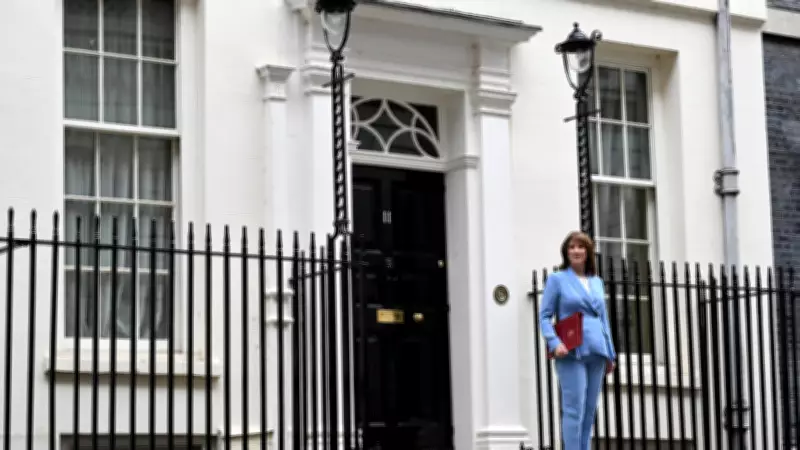
The United Kingdom government has officially reduced its economic growth projection for the year 2026, as Chancellor Rachel Reeves presented a Spring Statement dominated by mounting anxieties over the economic repercussions of the intensifying conflict in Iran. This fiscal update arrives as Prime Minister Keir Starmer's Labour administration strives to rejuvenate sluggish economic expansion, now confronting additional strain from surging energy prices tied to Middle Eastern turmoil.
Revised Economic Projections and Geopolitical Pressures
Chancellor Reeves emphasized that the government's economic strategy is "even more important in a world that in the last few days has become yet more uncertain with unfolding conflict in Iran and the Middle East." According to the latest data, Britain's economic growth is now anticipated to decelerate to 1.1 percent in 2026, a decline from the 1.4 percent forecast issued in November during Labour's annual budget presentation. The UK economy recorded an expansion of 1.3 percent in the previous year.
These revised estimates were released by the Office for Budget Responsibility (OBR), which concurrently upgraded growth forecasts for 2027 and 2028 to 1.6 percent. However, the OBR cautioned that these figures were finalized prior to the United States and Israel executing strikes on Iran over the weekend, which prompted retaliatory actions across the region. In its March report, the OBR stated, "Conflict in the Middle East, which escalated as we were finalising this document, could have very significant impacts on the global and UK economies."

Energy Crisis and Inflation Concerns
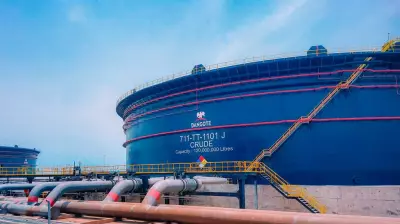
Growing apprehensions center on potential disruptions to oil and gas supplies, which could ignite a renewed energy crisis, thereby fueling inflation and suppressing consumer expenditure. The Bank of England projected last month that inflation would moderate toward its two percent target in April, aided by declining energy bills counterbalancing rising water charges and other expenses. The central bank maintained its benchmark interest rate at 3.75 percent in February but signaled that additional rate reductions were probable.
Nevertheless, since the eruption of hostilities, analysts have scaled back expectations for interest rate cuts in 2026 as European gas prices and global oil benchmarks experienced sharp increases. The Labour government has encountered persistent obstacles in stimulating economic momentum since assuming power in July 2024, having enacted tax hikes in its initial two budgets.
Unemployment and Future Economic Outlook
The government reported that unemployment, presently at a five-year peak of 5.2 percent, is predicted to crest later this year before gradually decreasing through to 2030. With global energy markets under duress and geopolitical uncertainty intensifying, officials conceded that the economic landscape remains exceedingly vulnerable to developments in the Middle East. The interplay between regional conflict and economic stability continues to pose significant challenges for policymakers navigating an increasingly volatile international environment.