Nigerian economic expert Kalu Aja has issued a stark warning that recent geopolitical actions by the United States in Venezuela could have severe repercussions for Africa's largest oil producer. The Lagos-based economist argues that the US move to take control of Venezuela, a nation sitting on the world's largest proven oil reserves, is a strategic play with global energy market consequences.
Geopolitical Chess: The US Double Play in the Americas
In a detailed post on social media platform X on Saturday, January 3, 2026, Aja framed Washington's actions against the government of Venezuelan President Nicolas Maduro as a calculated geopolitical strategy. He described it as a "double play" that capitalises on Russia's preoccupation with the war in Ukraine.
"With Russia distracted in Ukraine, the United States is simultaneously neutralising Venezuela and Cuba, two key players in the Americas," Aja stated. He clarified that the core issue with Maduro was not oil but security, specifically the alleged allowance of Hezbollah to gain a foothold in the region, which crossed a clear US red line.

Aja explained that the US built a legal case against Maduro, including drug trafficking charges from the Southern District of New York, mirroring tactics used against former Panamanian leader Manuel Noriega. This move also isolates Cuba, which has lost a key source of cheap energy and foreign exchange by losing its influence over Venezuela.
Direct Impact on Nigeria's Oil-Dependent Economy
The primary threat to Nigeria, according to Aja's analysis, stems from the potential for a significant increase in global crude oil supply. If a US-backed leader in Venezuela decides to ramp up production, a likely scenario, it would achieve a triple objective for Washington: neutralising a regional adversary, reducing global oil prices, and further pressuring Russia's economy.
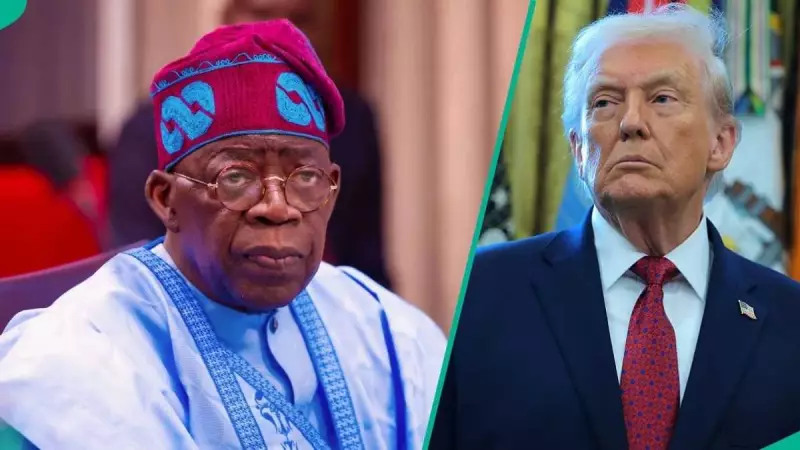
This poses a direct challenge to Nigeria's fiscal planning. President Bola Tinubu recently approved a N58.18 trillion budget plan for 2026, which crucially relies on a crude oil benchmark price of $64 per barrel. Aja expressed deep concern over this assumption, stating it now feels "very generous."
"Nigeria has to adopt an austerity budget now, in preparation," Aja urged. He warned that the situation could worsen if Russia reaches a ceasefire in Ukraine, which would likely cause oil prices to crash even further. The economist emphasised the urgent need for the Nigerian government to prepare for lower oil earnings and accelerate its revenue diversification efforts.
Nigeria-US Energy Partnership Amidst the Turmoil
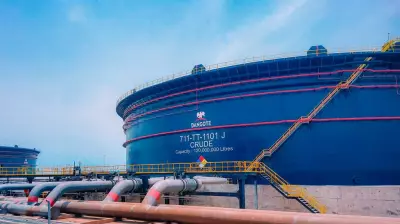
Despite the looming market threat, the energy relationship between Nigeria and the United States remains robust. Data from the US Mission in Nigeria reveals that Nigeria shipped 33.23 million barrels of crude oil to the US in the first eight months of 2025, valued at a substantial $2.57 billion.
This volume accounted for more than half of all African crude exports to the United States during that period, reinforcing Nigeria's pivotal role as Africa's foremost oil producer in the transatlantic energy market. This existing partnership underscores the complexity of the situation, where a key buyer's foreign policy could inadvertently harm the seller's economic stability.
In a related development to bolster its oil sector, the Nigerian Federal Government has moved to attract fresh investment by reducing the signature bonus for the 2025 oil licensing round. The bonus has been lowered from a previously approved $10 million to a new range of $3 million to $7 million, aiming to lower entry barriers for prospective investors.
The unfolding situation in Venezuela serves as a critical reminder of the vulnerabilities inherent in Nigeria's oil-reliant economy. As global powers execute their strategic plays, the call for economic foresight and diversification at home grows ever more urgent.