Nigeria's Green Transport Transition Must Be Financially Viable to Succeed
Nigeria's transport sector stands at a critical juncture, where discussions have evolved from theoretical policy debates to urgent practical implementation on the ground. For commuters in Abuja witnessing petrol prices soar toward N1,300 per litre, or logistics managers in Enugu struggling to maintain delivery fleets, decarbonisation has become a necessary survival strategy rather than merely an environmental slogan.
The Pivotal Role of the Private Sector
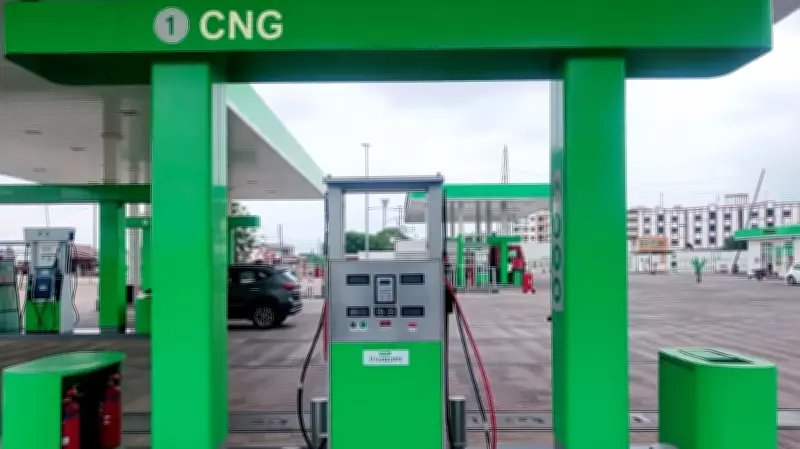
As urban centers expand, the escalating costs of moving people and goods are fueling inflation and degrading air quality. While initiatives like the Presidential CNG Initiative and the National Land Transport Policy have established ambitious frameworks, a significant gap persists between national aspirations and local operational realities. The central question has shifted from why Nigeria should transition to green transport to how this transition will be financed effectively.
Recent engagements with business leaders in Abuja and Enugu, facilitated by the UK PACT project, indicate a crucial turning point in the conversation. Discussions now focus not only on the urgency of climate action but on delivering practical, inclusive solutions that cater to businesses of all scales. The private sector emerges as the primary engine for this transformation, given that transport underpins a substantial portion of Nigeria's economic activities.

Bridging Policy and Practice
From logistics companies to enterprises dependent on daily deliveries, private actors are driving demand and fostering innovation. To unlock this potential, businesses require conducive conditions, including clearer policy directives, robust implementation frameworks, and infrastructure that supports a long-term transition. Strengthening the connection between official policy and everyday practice is essential to ensure new solutions can scale effectively nationwide.
Despite growing interest in green transport, many businesses face challenges in developing the technical and financial expertise needed to access climate funding. This involves generating detailed emissions data and constructing compelling business cases that align with international sustainability standards. One participant highlighted a common frustration, noting that "the list of requirements for bankable projects is too long," reflecting broader concerns about the complexity of modern financial expectations acting as a barrier for local initiatives.
Innovative Funding and Inclusive Design
There is a clear imperative to explore diverse funding mechanisms beyond traditional models, particularly for small and medium-sized enterprises (SMEs) that form the backbone of Nigeria's economy. Empowering these smaller businesses to monitor emissions and refine project designs is a vital step in broadening participation in climate action.
A profound shift observed in recent discussions is the integration of Gender Equality, Disability, and Social Inclusion (GEDSI) principles. Previously viewed as a mere checkbox, GEDSI is increasingly recognized as a fundamental design necessity. As one stakeholder emphasized, "It's not just the right thing to do – it brings more people into the system." A transport network inaccessible to a parent with a pushchair or a trader with a physical disability loses potential customers, thereby limiting economic resilience.
Toward a Sustainable and Equitable Future
By designing for the "last mile" and the most vulnerable users, Nigeria can expand the total addressable market of its transport systems, enhancing their robustness. Nigeria's journey toward low-carbon transport presents both a formidable challenge and a significant opportunity. The private sector has demonstrated readiness to innovate and invest, and with enhanced support through better training, inclusive designs, and improved access to finance, this momentum can yield tangible results.
Integrating social inclusion will ensure that progress benefits both the planet and the economy, moving from planning to action to define Nigeria's future. This transition promises to create a more practical and equitable transport system, extending from Abuja to Enugu and beyond, ultimately fostering a sustainable and prosperous nation.