Dangote Refinery to Enhance Nigeria's Energy Security and Cut Fuel Imports, CEO States
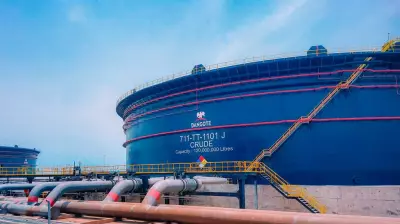
The Managing Director of Dangote Refinery, Mr. David Bird, has declared that the multi-billion-dollar facility is strategically positioned to improve fuel supply stability, encourage competitive pricing, and strengthen Nigeria's economy. This announcement was made during an interaction with members of the Nigerian Union of Journalists, Lagos Council, where Bird provided detailed updates on the refinery's operations and long-term plans.
Refinery Operating in Phases for Optimal Efficiency
According to Bird, the refinery is currently operating in phases, with production lines being optimized to ensure efficiency, quality control, and sustainability. He explained that the primary objective is to meet Nigeria's domestic petroleum demand before gradually expanding exports to other African markets. Efforts are ongoing to fine-tune production systems to guarantee operational efficiency while supporting Nigeria's drive for energy security.
Boosting Supply Stability and Reducing Import Reliance
Addressing concerns about fuel supply challenges, Bird expressed confidence that local refining will significantly reduce reliance on imported petroleum products. He emphasized that domestic refining will help ease pressure on foreign exchange reserves and create a more stable fuel distribution framework across the country. "As we ramp up production capacity, Nigerians will begin to experience improved product availability and reduced supply disruptions," he stated.

Impact on Fuel Pricing and Market Dynamics
On the issue of pump prices, Bird acknowledged that global crude oil prices, exchange rates, logistics, and regulatory policies influence fuel costs. However, he noted that local refining will eliminate several import-related expenses and introduce competition and operational efficiency into the market. While not all external market variables are within the refinery's control, its presence could contribute to improved price stability over time. Industry analysts have also suggested that increased domestic refining capacity may help moderate fuel price volatility in the long term.
Economic and Environmental Considerations
Beyond fuel production, Bird highlighted the refinery's broader economic impact, noting that the project supports thousands of direct and indirect jobs, stimulates local industries, conserves foreign exchange, and boosts government revenue. He described the facility as an industrial ecosystem designed to strengthen Nigeria's economic base and position the country as a refining hub in Africa.
On environmental concerns, Bird assured that the refinery was built with modern technology that complies with global standards. He added that the company remains committed to minimizing emissions, improving energy efficiency, and maintaining responsible operational practices.
Crude Supply Partnerships for Sustainability
The Managing Director further disclosed that the refinery is collaborating with both local and international crude suppliers to ensure steady feedstock availability. These partnerships are structured to guarantee long-term sustainability and operational continuity. Bird described the refinery as a strategic investment in Nigeria's energy future, adding that the company remains focused on delivering value, stability, and growth for the country and the wider African market.
Leadership Restructuring and Succession Plan
In related developments, Aliko Dangote recently appointed his daughters to key executive positions within the Dangote Group as part of a broader leadership restructuring and succession plan. Halima Aliko Dangote has been named Group Executive Director, Dangote Family Office and International Offices (Dubai and London), while Fatima and Mariya were appointed to lead commercial operations in oil and gas, and cement and food businesses, respectively.