Private Depot Operators Adjust Petrol Prices to N789 Per Litre in Competitive Move
Private depot operators across Nigeria have announced fresh petrol prices, setting an average rate of N789 per litre. This strategic adjustment aims to close the widening gap with the Dangote Refinery, which recently resumed sales of Premium Motor Spirit (PMS) at N774 per litre. The move follows renewed competition in the downstream petroleum sector, driven by regulatory interventions and market forces.
Dangote Refinery Resumes Sales at N774 Per Litre
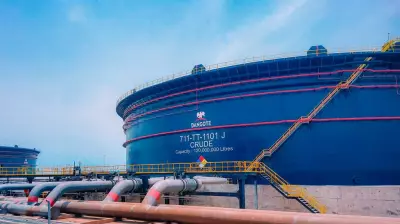
Earlier reports confirmed that the 650,000-barrels-per-day Dangote Refinery restarted petrol sales at N774 per litre after a prolonged pause that had previously pushed PMS prices higher nationwide. The resumption occurred after the Nigerian Midstream and Downstream Petroleum Regulatory Authority brokered peace between the refinery's management and depot operators. Following this resolution, the refinery released a list of approved depot operators authorized to lift and distribute its products, signaling a new phase of intense market competition.
Detailed Breakdown of New Depot Prices
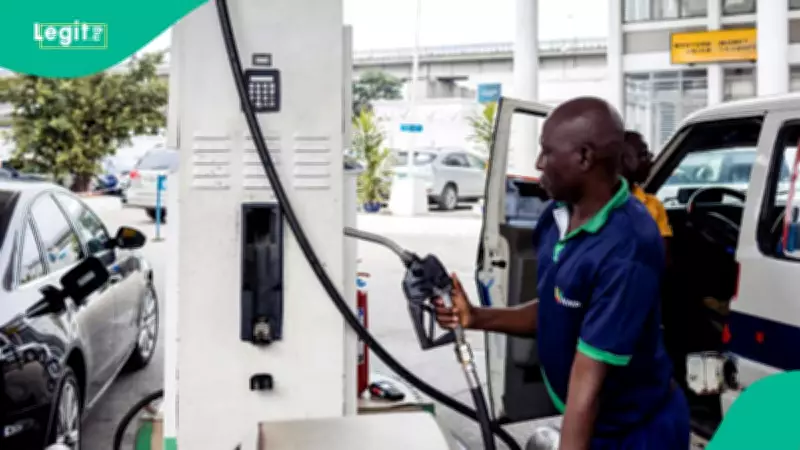
Fresh data from PetroleumPriceNG reveals that private depots have adjusted their prices to remain competitive in the evolving market landscape. According to the figures, petrol is currently sold at an average of N789 per litre across several key depots. A detailed breakdown of the new rates includes:

- Pinnacle is selling PMS at N788 per litre
- Ardova has fixed its price at N790 per litre
- Dangote's depot price stands at N788 per litre
- MENJ is selling at N792 per litre
This pricing strategy reflects a clear attempt by depot owners to align closely with the refinery's rate while maintaining slim competitive margins to attract more customers.
Intensifying Market Share Battle in Downstream Sector
Industry observers note that the latest price adjustments underscore the growing contest for dominance in Nigeria's downstream petroleum market. A previous industry report indicated that Dangote currently controls approximately 63 percent of Nigeria's petrol market, aided by government conditions attached to the issuance of import licences. However, energy policy analyst Adeola Yusuf of Platforms Africa argues that this does not constitute a monopoly.
The current war reflects the fluidity of the Nigerian downstream sector, Yusuf stated. Though Dangote dominates supplies, other petroleum products such as AGO, ATK, and JetA1 are more evenly distributed among importers, modular refineries, and Dangote. He added that the refinery is simply well-positioned to compete both locally and internationally, driving further market dynamics.
Implications for Consumers and Market Stability
The recent price alignment suggests that marketers are repositioning to secure larger market shares and influence pricing dynamics. For consumers, this competition could translate into short-term price stability, particularly as depots attempt to match or undercut one another. However, analysts warn that global crude oil trends remain a critical factor. With international oil prices rallying amid geopolitical tensions in regions like Iran, there are concerns that domestic petrol prices could rise again in the coming weeks.
As Nigerians navigate this volatile period, the downstream sector continues to be shaped by market forces, regulatory interventions, and the expanding influence of the Dangote Refinery. The ongoing adjustments highlight the fluid nature of Nigeria's energy market, where private depot owners are actively competing to maintain relevance and profitability.