Nigerian Depot Owners Cut Petrol Prices to N1,255 After Dangote Refinery Reduction
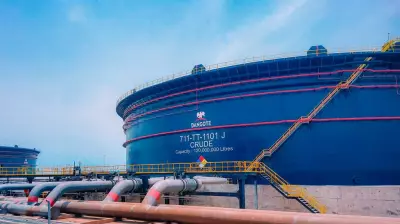
In a significant development for Nigeria's fuel market, depot owners nationwide have slashed petrol prices to approximately N1,255 per litre. This move follows a recent price reduction by Dangote Petroleum Refinery, signaling potential relief for motorists grappling with high fuel costs.
Price Adjustments Triggered by Dangote's Gantry Rate Cut
The price adjustments come directly in response to Dangote Petroleum Refinery's decision to lower its gantry price for Premium Motor Spirit (PMS) to N1,200 per litre from N1,275. This strategic reduction has created a ripple effect across the petroleum distribution chain, forcing depot operators to adjust their pricing to remain competitive in the market.
Findings indicate that several depots in key locations including Lagos, Warri, Port Harcourt, and Calabar have implemented these downward price revisions. The adjustments reflect a broader trend of tighter margins and increased competition among petroleum marketers seeking to maintain market share.

Regional Price Breakdown Across Nigerian Depots
In Lagos, major depot operators including Nipco, Aiteo, and Ardova have reduced their prices to around N1,215 per litre. Meanwhile, across Warri, Port Harcourt, and Calabar, depot prices now range between N1,210 and N1,255 per litre, demonstrating regional variations in the pricing adjustments.
Detailed snapshot of new petrol prices at various depots:
- Nipco: N1,215 per litre
- Aiteo: N1,215 per litre
- Ardova: N1,215 per litre
- Parker: N1,253 per litre
- Zamson: N1,253 per litre
- Danmarna: N1,255 per litre
- Liquid Bulk: N1,215 per litre
- Masters: N1,210 per litre
- Fynefield: N1,230 per litre
- Dangote (gantry): N1,200 per litre
Factors Driving the Price Reductions
Several key factors have contributed to these recent price adjustments. Despite Brent crude oil prices rising to approximately $113 per barrel, Nigeria's improving local refining capacity has enabled domestic fuel prices to ease independently of global market trends.
Dangote Refinery's price cut has been particularly influential, compelling depot operators to adjust their rates to remain competitive. Many operators are now accepting slimmer profit margins to retain their market share in this increasingly competitive environment.
Additionally, improved supply routes and distribution efficiencies are helping reduce costs across southern depots. A coastal price of N1,153 per litre has contributed to lowering distribution expenses, further supporting the downward price trend.
Context of Recent Fuel Price Fluctuations
The latest price reduction comes after a period of significant increases triggered by global tensions. Petrol prices had risen from approximately N840 per litre before late February to around N1,300 per litre in recent weeks, creating substantial financial pressure on Nigerian consumers and businesses.
The current reduction from about N1,275 to N1,200 per litre at Dangote's gantry could potentially lead to a slight decrease in pump prices, possibly bringing them below the N1,300 mark that had become prevalent in recent weeks.
Challenges Facing Dangote Refinery Operations
Despite these positive price developments, Dangote Refinery continues to face operational constraints, particularly regarding crude oil supply. Findings indicate that the facility experienced a significant shortfall of approximately 79.53 million barrels of crude between October 2025 and mid-March 2026, highlighting ongoing challenges in Nigeria's petroleum sector.
Contrasting Trend with NNPC Retail Outlets
In a contrasting development, the Nigerian National Petroleum Company Limited (NNPCL) has recently increased petrol prices across its retail outlets. The state-owned company raised pump prices in Lagos from N1,230 to N1,330 per litre, while in Abuja, prices increased from N1,260 to N1,361 per litre.
These adjustments reflect rising crude oil costs and supply pressures affecting NNPC's operations. New prices in other regions include N1,335 per litre in Anambra and N1,330 per litre in Borno, demonstrating the complex and sometimes contradictory dynamics within Nigeria's fuel pricing landscape.

The current situation represents a delicate balance between market competition, refinery capacity, global crude prices, and distribution logistics, with Nigerian consumers watching closely for any sustained relief in fuel costs.