Expert Sends Urgent Message to Tinubu Over Hormuz 'Water War' Crisis
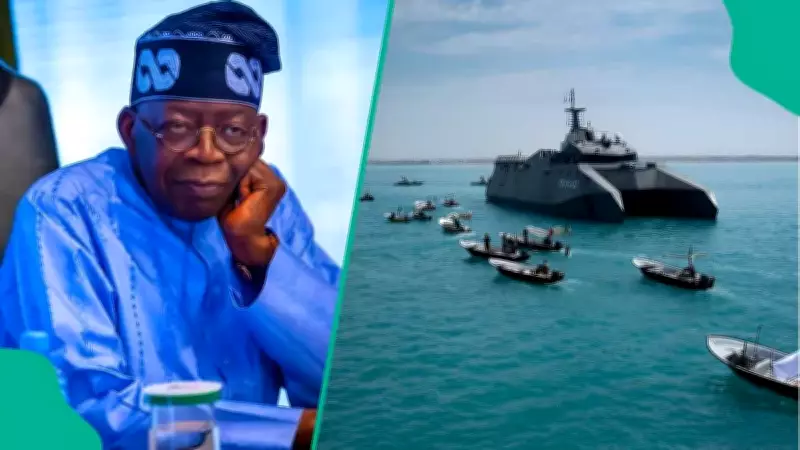
A development expert has issued a stark warning about the escalating Hormuz crisis, highlighting its potential to severely disrupt Nigeria's energy supply and destabilize the domestic economy. The conflict, now described as a "water war," has entered its fourth week, with Iran blocking passage through the Strait of Hormuz, a critical maritime corridor for global oil shipments.
Rising Crude Prices and Fuel Cost Concerns
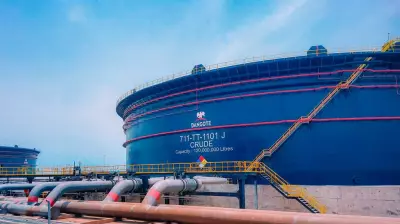
Michael Ale, founder of the Global Initiative for Nigeria Development, spoke exclusively with Legit.ng in Ibadan, emphasizing the urgent need for proactive measures. He noted that Iran's retaliatory actions have restricted access to the strait, which handles approximately 20% of global oil shipments. This has caused crude oil prices to surge from around $78 per barrel to $120 per barrel, with projections of reaching as high as $250 per barrel if the impasse continues.
Ale cautioned that while Nigeria might benefit from higher crude oil revenues, ordinary Nigerians are facing severe consequences. He projected that petrol prices could rise from about N930 to N1,300 per litre, and diesel from N980 to N1,700 per litre or more, depending on the conflict's trajectory. These increases threaten livelihoods and could trigger a chain reaction affecting food production and distribution, with women and vulnerable populations most at risk.

Call for High-Level Committee Formation
In response to the crisis, Ale urged President Bola Tinubu and the National Assembly to urgently constitute a high-level stakeholders' committee. This committee would address the ripple effects of the escalating conflict, aiming to mitigate widespread livelihood disruptions. Ale stressed that the Nigerian government must act swiftly, as the war has made it difficult for a significant portion of the world's fuel to pass through its conventional route.
"The effect of this conflict may snowball into widespread livelihood disruption if urgent measures are not taken," Ale asserted. He highlighted that the situation underscores the power of water beyond traditional associations with domestic and gender issues, now driving economic realities and livelihood disruptions.
Broader Economic and Social Impacts
Ale extended sympathy to women and children directly affected by the Middle East conflict, as well as those in Africa who may bear indirect consequences. He warned that rising energy costs could lead to scenarios where women are unable to access farms, children lack energy to fetch water, and agricultural produce fails to reach markets due to increased transportation costs. Although Nigeria is not directly involved in the conflict, its socio-economic effects could significantly impact the country's most vulnerable groups.
Earlier reports indicated that Nigeria has pledged to help stabilize the global energy market by supplying crude oil to nations affected by the ongoing US-Israel vs Iran conflict. Mohammed Idris, Minister of Information and National Orientation, stated that global energy needs drive Nigeria's intervention, aiming to support affected countries amid the crisis.