NERC Explains How to Identify Free Electricity Meters to Avoid Illegal Payments
The Federal Government has issued a clear directive to Nigerians, stating that they should not pay for prepaid meters or their installation under specific government-funded programs. However, this offer does not apply universally to all meters, as some still require payment from consumers. Electricity distribution companies and installers are strictly prohibited from collecting money for meters designated as free under official schemes.
Clarification on Free and Paid Electricity Meters
The Nigerian Electricity Regulatory Commission has provided crucial clarification amid growing confusion surrounding the federal government's metering initiatives and recent warnings against illegal charges by electricity distribution companies. Not all electricity meters being installed across the country are free, and understanding the distinction is essential for consumers.
During an interview on Fresh FM, Musiliu Oseni, Chairman of the Nigerian Electricity Regulatory Commission, explained that meters supplied under the World Bank-funded Distribution Sector Recovery Programme are fully funded by the Federal Government. These meters must be provided to customers at absolutely no cost at the point of installation. According to Oseni, electricity consumers are not expected to make any upfront payment for these meters, as the cost-recovery mechanism does not involve direct customer charges.

Oseni emphasized: "The meter provided by the government is 100% free. DISREP meters are paid for by the Federal Government, and no DisCo is allowed to collect money from customers because of the meter."
He further clarified that although distribution companies would eventually repay the loans used to procure the meters, this would be done at minimal interest rates and recovered through the tariff structure. This repayment mechanism ensures that no direct billing or cash payments are required from customers for these specific meters.
Understanding the Meter Asset Provider Scheme
Oseni also detailed that the Meter Asset Provider scheme remains operational for customers who may be unwilling or unable to wait for the rollout of free meters due to timing or logistical challenges. Under this arrangement, customers can choose to pay for faster meter installation, but payments must be made exclusively to approved companies rather than individuals.
He explained: "There is still the Meter Asset Provider scheme. If it will take time for the free meter to reach you and you cannot wait, you can choose to pay under MAP, but you must ensure you are paying a registered company."
How to Identify Free Prepaid Meters
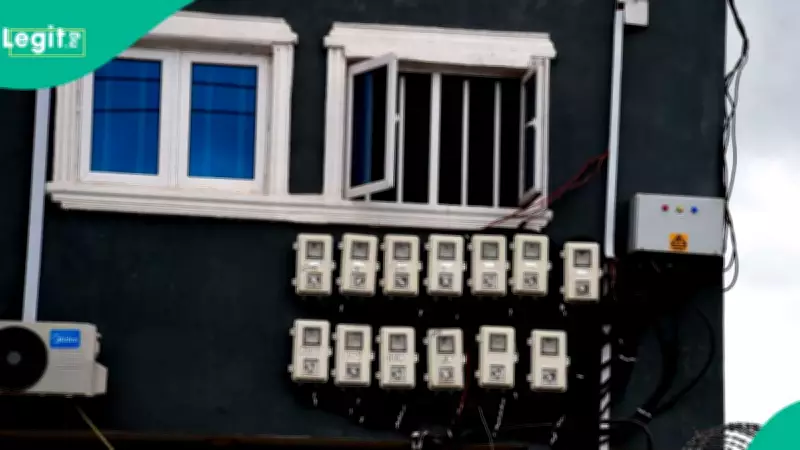
To help consumers avoid exploitation and identify legitimate free meters, the NERC chairman provided specific guidance on meter identification. He stated that DISREP meters carry a clear inscription that distinguishes them from other types of meters.
Oseni noted: "If you look at the free meters carefully, there is an inscription. After the name of the DisCo, you will see DISREP."
This visible marking serves as a crucial indicator for consumers to verify whether they are receiving a government-funded meter that should not incur any charges.
Key Points for Electricity Consumers
- Free meters are provided under the DISREP program and are fully government-funded with no customer charges
- Paid meters are available through the MAP scheme for customers who prefer faster installation
- All upfront payments for meters under approved government arrangements are refundable if previously paid
- Consumers must verify that any payments are made only to registered companies under the MAP scheme
- Distribution companies are barred from collecting money for DISREP meters
Distribution Companies' Concerns
In related developments, electricity distribution companies have expressed concerns about the directive requiring prepaid meters to be installed for customers at no cost. The operators argue that the policy may present implementation challenges, particularly regarding funding for meter purchase and installation.

The companies note that installers operate independently of distribution companies and would still require payment for their services. They also warn that the directive is already impacting the Meter Asset Provider scheme, creating operational complexities in the electricity distribution sector.