Imported Petrol Now N64 Cheaper Than Dangote Refinery's Price, Sparking Industry Clash
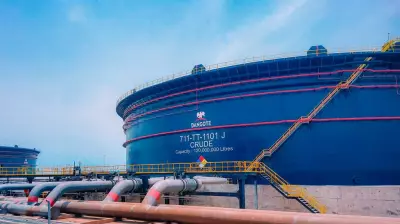
Fresh data from the Major Energies Marketers Association of Nigeria (MEMAN) has revealed a significant development in Nigeria's petroleum sector: the landing cost of imported petrol has fallen substantially below the price offered by the Dangote Petroleum Refinery. This revelation has ignited a fresh dispute between fuel importers and the refinery, with both sides presenting conflicting narratives about market realities.
Landing Cost Figures Show Clear Price Difference
According to the newly released data, the landing cost of imported Premium Motor Spirit (PMS) currently stands at N809.37 per litre. This represents approximately N64 less than Dangote refinery's gantry price of N874 per litre. The figures emerged amid rising global tensions following escalating hostilities in the Middle East involving the United States, Iran, Israel and other nations.
The ongoing conflict has pushed crude oil prices upward and unsettled the global petroleum market, creating challenging conditions for both importers and domestic refiners. Despite the numbers released by marketers, officials of the Dangote refinery have dismissed the claims, accusing some importers of promoting what they call a misleading narrative to sustain fuel importation into Nigeria.

Recent Price Adjustments and Market Impact
The controversy comes just days after the Dangote refinery increased its gantry price of petrol from N774 to N874 per litre, citing a significant spike in global crude oil prices. Brent crude had risen to about $84 per barrel, up from below $70, following the Middle East crisis. This price adjustment quickly filtered down to retail outlets across Nigeria.
Filling stations responded by raising pump prices to as high as N937 per litre, depending on location. Before the escalation of the crisis, petrol prices at some stations had ranged between N812 and N839 per litre. The new price movement reflects the growing influence of global oil market volatility on Nigeria's deregulated downstream petroleum sector.
Dangote Refinery Challenges Importers' Claims
Responding to the MEMAN data, officials of the Dangote refinery questioned the credibility of claims that imported petrol is cheaper, arguing that the narrative is being pushed to justify continued imports. One refinery official suggested that those making the claims should attempt to import fuel themselves amid the geopolitical tensions affecting the global energy supply chain.
The official argued that Nigeria should prioritize domestic refining rather than depend on foreign products. According to the refinery, local refining is critical to protecting the economy and creating long-term energy security for the country. Another official stressed that the refinery has helped prevent the kind of fuel shortages currently affecting several countries around the world.
Nigeria Shielded from Global Fuel Crisis
The refinery insists its operations have stabilized Nigeria's fuel market during the ongoing global uncertainty. While motorists in parts of Europe have reportedly faced panic buying and long queues at petrol stations due to fears of supply disruption, Nigeria has largely avoided such chaos according to industry reports.
Industry observers say the presence of a large-scale refinery within the country has reduced Nigeria's vulnerability to external supply shocks. Without local refining capacity, analysts warn the country could have faced severe fuel scarcity, higher black-market prices and significant disruptions to economic activity.
Dangote Dominates Local Petrol Supply
Recent data from the Nigerian Midstream and Downstream Petroleum Regulatory Authority (NMDPRA) shows that domestic refining is beginning to play a bigger role in Nigeria's fuel supply. According to the regulator's State of the Downstream Sector report, the country recorded an average petrol supply of 64.9 million litres per day in January 2026.

Out of this volume, domestic refineries supplied about 40.1 million litres daily, while imports accounted for 24.8 million litres. This marked the first time in more than a year that domestic production surpassed imports. The improvement was largely driven by increased output from the Dangote refinery, which raised its supply from 32 million litres per day in December 2025 to over 40 million litres in January 2026.
Overall, the refinery supplied about 62 percent of Nigeria's petrol demand during the period, demonstrating its growing dominance in the domestic market.
Refinery Cites Crude Supply Challenges
Despite the progress in local refining, the Dangote refinery says it is facing difficulties sourcing sufficient crude oil from domestic producers. The company revealed that it requires about 13 crude cargoes monthly to sustain operations but currently receives only five cargoes from the Nigerian National Petroleum Company Limited.
As a result, it has been forced to purchase crude oil from international traders, often at higher prices and with additional premiums. The refinery noted that Nigerian crude currently trades $3 to $6 above Brent benchmark, and when freight costs are added, crude can land at between $88 and $91 per barrel.
These higher input costs, the refinery said, partly explain the increase in petrol prices that consumers are experiencing at filling stations across the country.
Experts Call for Higher Crude Production
Energy experts say Nigeria must increase crude oil production to sustain local refining and stabilize fuel prices. Industry analyst Professor Wumi Iledare noted that Nigeria lost significant revenue in 2025 because it failed to meet its oil production target.
According to him, the government planned to produce 766.5 million barrels but managed only 599.6 million barrels, leaving nearly 167 million barrels unrealized. Iledare noted that improving oil output would require stronger security around oil assets, faster regulatory approvals and policies that encourage investment in existing fields.
He also urged producers to reopen shut-in wells to boost short-term output and support the country's growing refining capacity, which is becoming increasingly important for national energy security.
Government Sets New Conditions for Petrol Imports
Nigeria's downstream petroleum sector is entering a new phase as the Federal Government moves to fine-tune the framework guiding petrol imports, even as the Dangote Refinery releases updated Premium Motor Spirit prices. Fresh deliberations were held recently at a high-level stakeholders' meeting convened by the Authority Chief Executive of the Nigerian Midstream and Downstream Petroleum Regulatory Authority.
The session brought together key industry players, including members of the Depot and Petroleum Products Marketers Association of Nigeria, to discuss the evolving market dynamics and regulatory framework. This comes at a critical juncture as Nigeria balances between supporting domestic refining capacity and maintaining competitive market conditions for consumers.