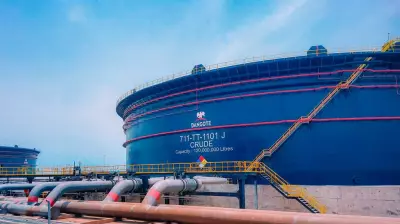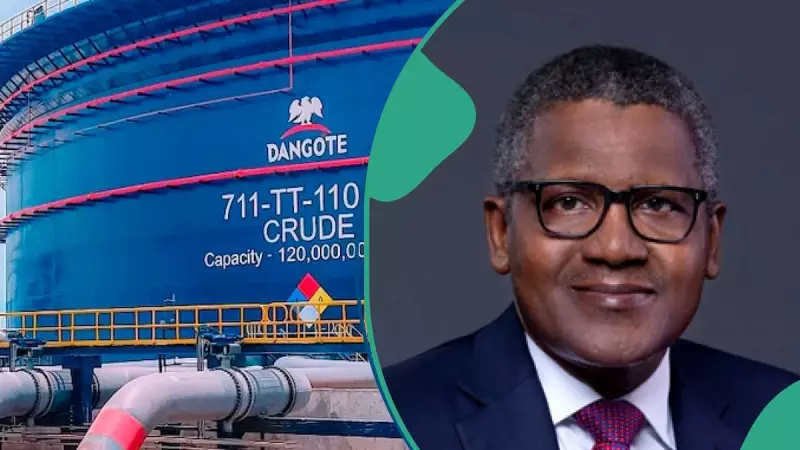
A major fuel supply agreement between the Dangote Petroleum Refinery and a consortium of 20 major petroleum marketers has collapsed, barely a month after it was signed. The deal, which was intended to stabilise the domestic market, fell apart due to sharp disagreements over pricing, triggered by a significant drop in global petrol costs.
The Structure and Swift Unraveling of the Agreement
The pilot scheme, struck in October 2025, was designed to have the selected marketers collectively offtake approximately 600 million litres of petrol monthly. This translated to roughly 30 million litres per marketer. Dangote Refinery had chosen 20 depot owners as primary distributors under this arrangement, largely excluding independent marketers who were limited to lifting smaller volumes.
The refinery initially fixed its prices at N806 per litre for coastal delivery and N828 per litre at the gantry. Industry sources confirmed the pricing was tied to the Eurobob international benchmark, with provisions for monthly reviews. The strategy, endorsed by the Independent Petroleum Marketers Association of Nigeria (IPMAN), aimed to reduce middlemen and improve nationwide product availability.

Falling Global Prices Create Irreconcilable Differences
The agreement began to crack in November 2025 when international petrol prices plummeted. Data from the Major Energies Marketers Association of Nigeria (MEMAN) showed the average landing cost of imported petrol had fallen to about N829.77 per litre by October 30. Meanwhile, Dangote's gantry price was reportedly as high as N877 per litre in late October.
This disparity made imports far more attractive for marketers. The depot owners pushed for a price review as per the agreed mechanism, but the refinery was slow to respond. This delay prompted marketers to return to importing fuel, leading to a direct breakdown in negotiations.
Market Consequences and a Return to Open Sales
The collapse had immediate repercussions. Official data shows total petrol imports jumped to 1.563 billion litres in November 2025, a clear spike linked to the failed deal. Marketers who had bought products at the higher October prices faced significant losses, especially after Dangote eventually slashed its gantry price to N699 per litre, the lowest recorded in 2025.
Confirming the collapse, IPMAN's National Publicity Secretary, Chinedu Ukadike, stated the October agreement was no longer in force. Dangote Refinery has since reopened sales to all marketers, including independents. The current market sees intense competition, with the spot price of imported petrol at the Apapa jetty around N696 per litre, slightly below Dangote's N699 per litre gantry price.
The dispute also fueled a public confrontation between Dangote and the former head of the Nigerian Midstream and Downstream Petroleum Regulatory Authority (NMDPRA), Farouk Ahmed, over import licences, which preceded Ahmed's resignation in December 2025.
For now, Nigeria's downstream market is characterised by open competition, with marketers swiftly switching between imports and local supply based on volatile global price movements.