Nigeria's Power Crisis Fuels N435 Billion Solar Panel Imports in 2025
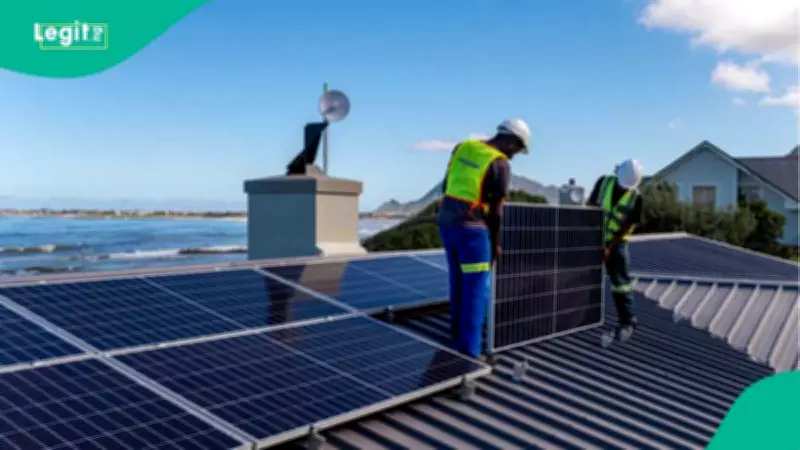
Nigeria's persistent electricity challenges have triggered a massive shift toward solar energy, with new data revealing that the country imported solar panels worth over N435 billion in 2025. According to the latest Foreign Trade Statistics from the National Bureau of Statistics, approximately 2.9 million solar panels were imported during the year, making them one of Nigeria's most significant imports. This surge reflects growing frustration with unreliable power supply and increasing adoption of alternative energy sources by households and businesses.
Quarterly Import Trends and Market Dynamics
The import data shows a consistent demand for solar panels throughout 2025, with notable fluctuations across quarters. In the first quarter, imports were valued at N125.29 billion, followed by N117.39 billion in the second quarter. The third quarter saw a decline to N92 billion, but demand rebounded in the final quarter to N100.83 billion, bringing the total to approximately N435.52 billion for the year. This recovery in the fourth quarter is attributed to worsening electricity supply and increased installations as the year ended.
The wide range in panel estimates highlights diverse consumer preferences:

- Based on average market prices, around 2.9 million large panels were imported.
- If smaller and cheaper panels are considered, the number could soar to 17.4 million units.
- Medium-sized panels are estimated at about 6.6 million units.
This indicates that low-income households and small businesses are increasingly opting for affordable solar solutions to cope with frequent blackouts and grid failures.
China Dominates as Primary Supplier
China remained Nigeria's main supplier of solar panels, accounting for a substantial share of imports across multiple quarters. The reliance on Chinese imports underscores the global nature of the solar energy market and Nigeria's dependence on foreign manufacturers to meet domestic demand. Solar panels consistently ranked among Nigeria's top imports in 2025, reflecting their critical role in the country's energy landscape.
Underlying Causes: Decades of Epileptic Power Supply
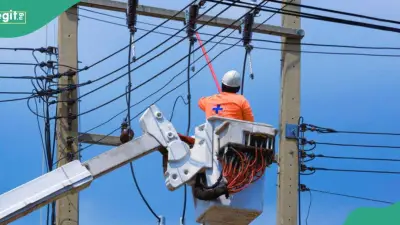
The shift to solar energy is driven by Nigeria's long-standing electricity woes, characterized by grid collapses, load shedding, and low generation capacity. With power output often below 5,000 megawatts for a population exceeding 200 million, many Nigerians have turned to alternatives like generators and solar systems. Rising fuel prices have further made solar energy an attractive option, especially for small businesses seeking to reduce operating costs.
Recent nationwide blackouts, caused by repeated grid failures and infrastructure weaknesses, have exacerbated the situation, disrupting daily life and economic activities. In response, the Minister of Power, Adebayo Adelabu, has apologized for the persistent outages, citing grid instability, gas supply issues, and infrastructure challenges. He assured Nigerians that efforts are underway to improve power supply, but the solar import data suggests many are not waiting for grid solutions.
Government Initiatives and Future Outlook
Amid the crisis, the Federal Executive Council approved N68.7 billion for electricity projects in universities and teaching hospitals, part of the Energising Education Programme led by the Rural Electrification Agency. This reflects government efforts to ensure steady power in vital sectors like education and healthcare. However, the massive private investment in solar panels indicates a broader societal move toward decentralized energy solutions.
The growing adoption of solar panels in Nigeria signals a transformative shift in the energy sector, as citizens and businesses take matters into their own hands to overcome decades of unreliable electricity. With imports set to remain strong, solar energy is poised to play an increasingly vital role in Nigeria's power mix, offering a glimpse of hope amid ongoing challenges.