Nigeria Launches National Roadmap to Decarbonize Building and Construction Sector
The Green Building Council Nigeria (GBCN), in partnership with a broad coalition of stakeholders, has officially commenced the development of a comprehensive National Decarbonisation and Resilience Roadmap for the nation's buildings and construction sector. This ambitious initiative is designed to address the critical intersection of rapid urbanization, escalating infrastructure demands, and intensifying climate risks that characterize Nigeria's current development trajectory.
Addressing a Critical Window of Opportunity
With a significant portion of Nigeria's future building stock yet to be constructed, the methods employed in planning, designing, and delivering these structures will have profound long-term consequences for national emissions, climate resilience, and the overall quality of urban life. While the current trends present undeniable risks—such as the potential entrenchment of carbon-intensive and climate-vulnerable systems—they also unveil a substantial opportunity.
By proactively embedding low-carbon and climate-resilient principles into new developments from the outset, Nigeria can strategically shape a built environment that not only fuels economic expansion but also enhances living standards and fortifies long-term environmental sustainability.

Building on Existing National Climate Frameworks
This new roadmap is not starting from scratch; it is meticulously constructed upon the foundation of existing national climate and development policies. Key documents informing this effort include the Climate Change Act, the updated Nationally Determined Contribution (NDC 3.0), and the Long-Term Low Emission Development Strategy.
Furthermore, it leverages insights from recent GBCN-led sector initiatives, most notably the NDC Scorecard for Sustainable Buildings Project. That project successfully convened over 250 diverse stakeholders and was instrumental in informing a prior National Action Plan for Sustainable Buildings.
From Policy Ambition to Practical Implementation
According to GBCN, the primary objective of this 18-month roadmap development process is to translate the growing policy momentum into tangible, on-the-ground action. The roadmap will serve as a crucial framework to bridge the gap between high-level policy ambitions and the practical realities of the market, outlining clear delivery pathways.
It aims to foster stronger, more effective collaboration across all stakeholder groups while simultaneously pinpointing specific opportunities for investment and concrete action throughout the entire building sector value chain.
A Collaborative and Inclusive Process
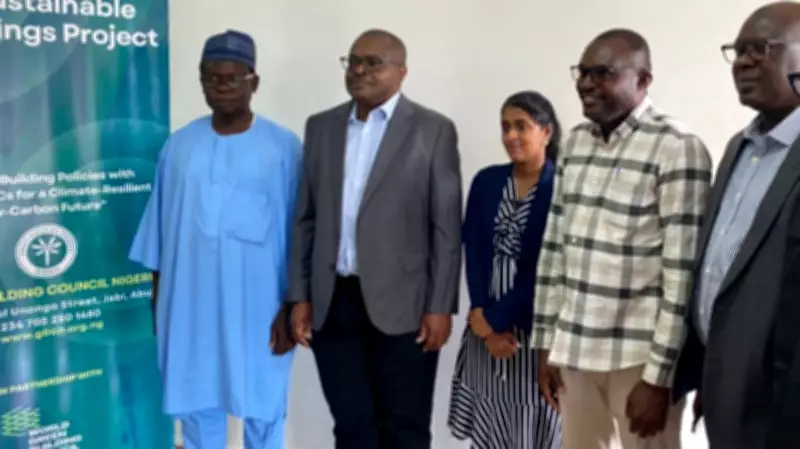
Danjuma Waniko, President of GBCN, emphasized the collaborative nature of this undertaking. "This roadmap builds on the progress that has already been made and aims to support clearer pathways for implementation of Nigeria's climate and development priorities," Waniko stated. "Importantly, it is a collaborative process—working with stakeholders across the ecosystem to strengthen connections between policy, market realities, and implementation in a way that supports long-term transformation of the sector."
To ensure the roadmap is both robust and actionable, a national multi-stakeholder working group has been established. This group comprises representatives from:
- Government agencies
- The private sector
- Financial institutions
- Academic institutions
- Civil society organizations
This working group will provide essential input and feedback at critical junctures throughout the 18-month development process. Their involvement is crucial to guarantee that the final roadmap accurately reflects the realities of the sector and remains aligned with both national and subnational development priorities.
International Support and Technical Backing
The roadmap is being developed with significant support from the World Green Building Council (WorldGBC) as a key component of its global Building the Transition Roadmaps programme. This effort is also being conducted in collaboration with the Global Alliance for Buildings and Construction (GlobalABC), ensuring that Nigeria's strategy benefits from international best practices and technical expertise.

GBCN has confirmed that the development process will maintain an ongoing, nationwide engagement with stakeholders, with regular updates expected as the roadmap progresses toward its finalization and subsequent implementation phase.