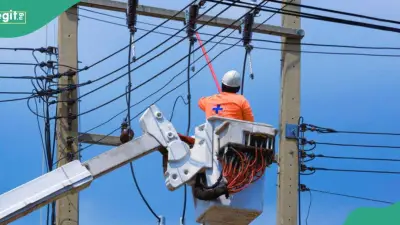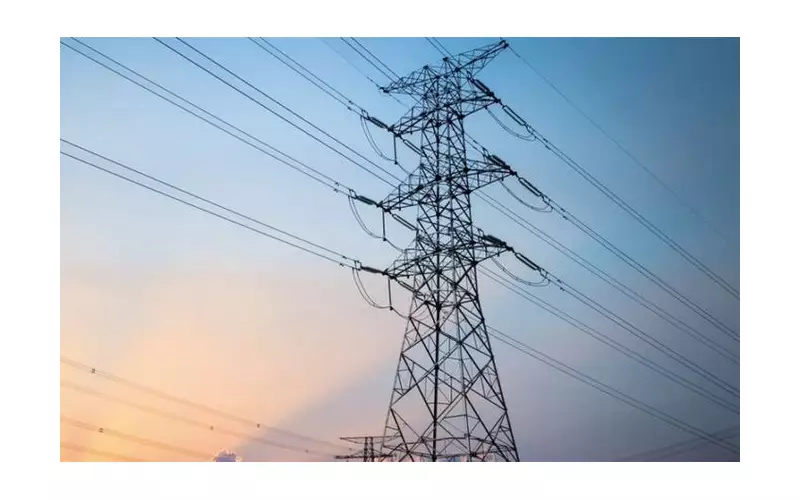
Nigeria was plunged into widespread darkness on Monday, December 29, 2025, following another catastrophic collapse of the national electricity grid. The failure disrupted power supply across the country, exacerbating the challenges many citizens have faced during the Christmas season.
Precipitous Drop in Power Generation
Data obtained from the Nigerian Independent System Operator (NISO) reveals the alarming scale of the collapse. Within a single hour, between 2 pm and 3 pm, the nation's power generation witnessed a devastating crash. It fell from 2,052.37 megawatts to a mere 139.92MW, representing a near-total system failure.
Only Three DisCos Receive Power
The collapse had an immediate and severe impact on the country's eleven electricity distribution companies (DisCos). According to NISO, only three DisCos were able to load any electricity from the crippled grid during the critical period, receiving a combined total of just 120MW.

The Ibadan Electricity Distribution Company (IBEDC) accounted for the largest share, receiving 80MW. The Abuja Electricity Distribution Company (AEDC) and the Benin Electricity Distribution Company (Benin DisCo) each managed to load 20MW.
Widespread Blackouts Across Major Cities
The situation was far more dire for the remaining eight distribution companies, which recorded zero allocation from the national grid. This meant complete blackouts for customers served by:
- Eko DisCo
- Enugu DisCo
- Ikeja Electric
- Jos DisCo
- Kaduna Electric
- Kano DisCo
- Port Harcourt DisCo
- Yola Electricity Distribution Company
This widespread failure left millions of households and businesses without power, disrupting daily life and economic activities.
Compounding Festive Season Frustrations
This grid collapse adds to the existing frustrations of Nigerians who have endured unreliable power supply throughout the Christmas period. The incident highlights the persistent vulnerabilities in the nation's electricity infrastructure, raising urgent questions about grid stability and the need for sustainable solutions to prevent recurrent system failures.