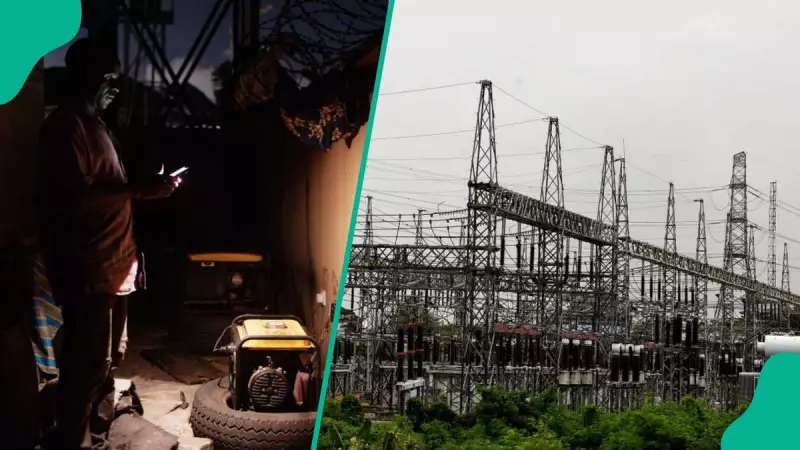
Nigeria was thrown into a widespread blackout on Monday afternoon following another catastrophic failure of the national electricity grid. The collapse, which occurred around 3 pm on December 29, 2025, resulted from a sudden and severe loss of generation from several major power plants across the country.
From Peak Power to Nationwide Blackout
The day had begun with a relatively stable power supply, with generation peaking at approximately 4,800 megawatts earlier on Monday. However, the situation deteriorated rapidly in the afternoon. Data obtained by journalists revealed a dramatic and unprecedented crash in output.
By 3 pm, the total power generation on the national grid had plummeted to a mere 139 megawatts, a figure utterly insufficient to sustain the network. This precipitous drop triggered a total system collapse, effectively shutting down the grid and cutting off electricity supply to millions of homes, businesses, and critical infrastructure across numerous states.

Immediate Consequences and Public Impact
The immediate effect of the grid failure was profound darkness and operational paralysis in many parts of the nation. The collapse disrupted daily life, halted economic activities, and posed significant challenges to services reliant on constant power. This incident marks the latest in a series of recurring grid failures that have plagued Nigeria's power sector for years, despite various governmental interventions and policies.
Such systemic failures highlight the persistent vulnerabilities in the nation's electricity infrastructure. They underscore the ongoing struggle to achieve a stable, reliable, and resilient power supply capable of supporting Nigeria's economic and social aspirations.
A Recurring National Challenge
The frequent collapse of the national grid remains one of the most critical and unresolved issues facing the country. Each event renews public frustration and calls for urgent, sustainable solutions to modernize the aging infrastructure, improve grid management, and diversify the energy mix. The incident on December 29 serves as a stark reminder of the fragile state of Nigeria's power sector and the long road ahead to achieving stable electricity for all.
As of the time of reporting, authorities and the Transmission Company of Nigeria (TCN) are expected to be working on restoration efforts, a process that can take several hours. The public and businesses are left to bear the cost and inconvenience of yet another major power system failure.