Nigeria's Annual Electricity Crisis: A Predictable Seasonal Collapse
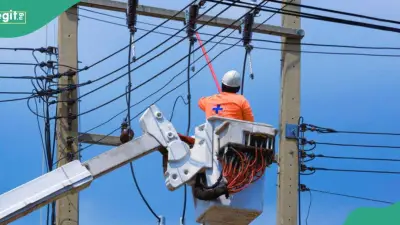
Every year, between February and April, Nigeria's electricity grid plunges into its worst state. Temperatures soar above 38 degrees Celsius in the Middle Belt and North, exceeding 40 degrees in the hottest areas. Air conditioners strain relentlessly, generators hum through the night, and the already struggling grid shifts from chronic underperformance to near-total collapse. Unplanned outages multiply, industrial production grinds to a halt, and households endure darkness precisely when the heat is most oppressive.
This crisis repeats annually, a decades-long pattern set to continue. What stands out is not the crisis itself but the response: widespread surprise, reactive scrambling, and explanations blaming general sector dysfunction. The seasonal nature—predictable, driven by observable and measurable forces—rarely receives serious public analysis. Instead, it blends into background noise, squandering opportunities for precise understanding and targeted solutions.
The Core Argument: A Structural Predictability
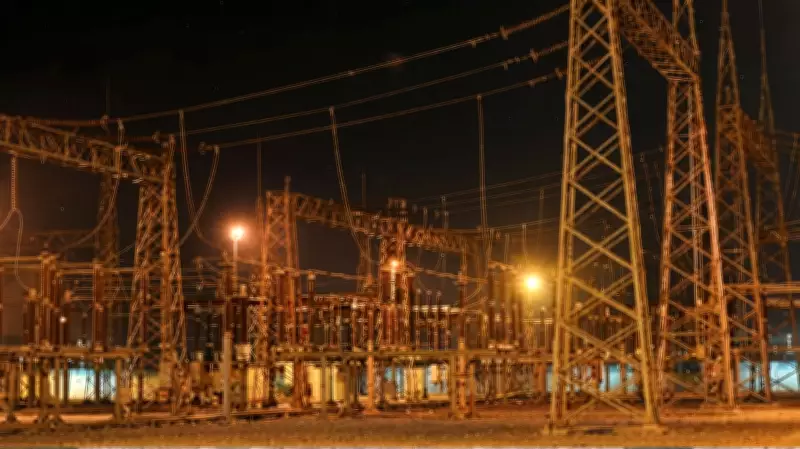
This policy series argues that Nigeria's February-April electricity crisis is not a random symptom of sector-wide issues. It is a structurally predictable event resulting from a specific collision of opposing forces each year. On one hand, cooling demand spikes as temperatures peak nationwide. On the other, hydroelectric stations, which supply a significant portion of grid electricity, see their reservoirs at annual lows, reducing output exactly when needed most.

These forces—meteorology-driven demand surge and hydrology-driven supply contraction—converge in a system lacking meaningful reserve capacity. The outcome is not a surprise but a scheduled failure. This forms the first layer of the argument.
The Shiroro Story: Operational Drift and Design Inversion
The second layer is more specific and troubling. Nigeria's original electricity planners understood this problem. In the 1980s and 1990s, they designed Shiroro Hydroelectric Power Station on the Kaduna River as a strategic reserve, not a continuous generator. Commissioned in 1990, it was engineered as a fast-response peaking plant with a 7-billion-cubic-metre reservoir kept charged for moments of maximum system stress.
Sound logic was dismantled by operational drift, not ignorance. As planned thermal baseload failed to materialize, system operators, pressured to maximize generation, repurposed Shiroro into a workhorse. It became a baseload plant by necessity, its reservoir depleted each dry season before the crisis hit. The insurance policy was spent prematurely.
What Will Not Fix the Problem: The Tariff Fallacy
The third layer addresses ineffective solutions. Nigeria's electricity policy discourse often centers on tariffs not being cost-reflective, with cost recovery touted as key to sector recovery. While partially valid in other contexts, this argument is irrelevant to the seasonal crisis. A tariff increase does not raise reservoir levels, repair vandalized gas pipelines, or restore reserve capacity. Treating it as a universal remedy displaces the operational and planning interventions actually needed.
From Diagnosis to Remedy: A Path Forward
The series concludes with actionable solutions. It outlines operational measures for immediate implementation, medium-term structural changes to the generation mix to address seasonal supply gaps, and institutional reforms like mandatory seasonal adequacy planning. Some remedies cost almost nothing, requiring only that grid managers read decades of available data and act accordingly.
Paper One establishes the analytical foundation, diagnosing the February-April stress as a predictable convergence of peak cooling demand and minimum hydropower output in a reserve-less system—a seasonal demand-supply scissor. It examines meteorological and hydrological drivers, thermal fleet failures, and governance lapses that treat the crisis as an act of God rather than a manageable challenge.
Paper Two focuses on Shiroro as a case study in system-wide failure. It traces how design logic was dismantled, with Shiroro drifting from strategic reserve to workhorse, compounding annual crises. This story reflects broader electricity governance failures and highlights Nigeria's past capacity for designing serious solutions.

Paper Three synthesizes analysis into policy, explaining why tariff reform fails to address the seasonal crisis and proposing a structured intervention program. It emphasizes diagnostic honesty in policy, regulatory, and public discourse as a starting point for accountability and improvement.
Scope and Methodology
This series is diagnostic and policy-oriented, not a comprehensive treatment of Nigeria's electricity industry. It focuses on understanding the seasonal crisis, tracing its roots, and identifying solutions. Analysis uses publicly available data—hydrological records, NERC quarterly reports, generation dispatch data, and engineering literature—interpreted through power system economics and policy analysis. Incomplete or contested data are noted, with claims being analytical, not political.
Aimed at policy professionals, regulators, industry practitioners, the educated public, and international development communities, the series seeks to enhance public understanding and deliberation on a long-misdiagnosed problem.
Dr. Lanre Babalola, a former Minister of Power and key architect of Nigeria's electricity sector reform, contributes through Exenergia Limited, focusing on infrastructure development, policy, regulatory economics, and energy infrastructure's macroeconomic dimensions.