NISO Discloses Progress and Constraints in National Grid Operations
The Nigerian Independent System Operator (NISO) has provided a comprehensive update on the state of the national electricity grid, revealing both significant advancements and ongoing operational challenges. During a briefing held in Abuja, agency officials detailed the progress made since NISO's establishment under the Electricity Act 2023, while also addressing critical constraints that continue to affect the sector.
Foundational Achievements and Strategic Progress
Abdul Bello Muhammed, Director of NISO, emphasized that the agency has made deliberate progress in several key areas over the past year. He stated that NISO has successfully laid the groundwork for a more robust and transparent power sector through multiple initiatives.
"From establishing governance structures and operational protocols to implementing technical monitoring systems, our efforts have focused on ensuring grid stability, market credibility, and strategic planning," Muhammed explained during the briefing.

The agency's accomplishments include:
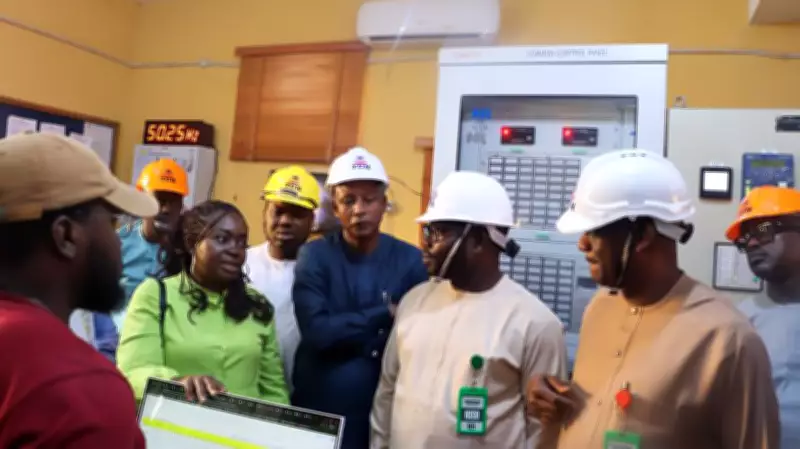
- Deployment of SCADA/EMS systems for enhanced grid monitoring
- Improved telemetry across electricity trading points
- Expanded application of digital and IoT-based technologies
- Strengthened system planning capabilities
- Enhanced market transparency mechanisms
Persistent Challenges and Operational Constraints
Despite these achievements, Muhammed acknowledged that several critical challenges continue to hinder optimal grid performance. He identified multiple areas requiring urgent attention to sustain system reliability and attract investor confidence.
"Market liquidity constraints, grid infrastructure limitations, compliance gaps, and hurdles in renewable energy integration continue to affect the sector," Muhammed stated, highlighting the complex nature of the challenges facing Nigeria's electricity industry.
The director emphasized that addressing these issues remains essential for the long-term stability of the national grid and the overall health of the power sector.
Regional Integration and Export Readiness
In a significant development, Muhammed disclosed Nigeria's growing readiness to export electricity to neighboring countries. He noted that while infrastructure improvements continue domestically, Nigeria must actively participate in regional power integration initiatives.
"Regional integration has also seen progress, with trial synchronisation achieved with the West African Power Pool and support for interconnection projects, including the Nigeria–Benin 330kV transmission project," Muhammed revealed.
These developments are creating enhanced opportunities for cross-border power trade and positioning Nigeria as a potential regional electricity exporter as infrastructure capabilities continue to improve.
Power Sector Debt Settlement Support
In related developments, First Independent Power Limited has expressed strong support for the Federal Government's N3.3 trillion power sector debt settlement initiative. The company described the Presidential Power Sector Financial Reforms Programme as a crucial step toward restoring stability and confidence in Nigeria's electricity sector.
In a statement issued on Tuesday, the company confirmed its participation in the programme and execution of necessary settlement agreements. Seyi Sobogun, Chief Executive Officer of First Independent Power Limited, emphasized the positive momentum generated by these financial reforms.
"We confirm our participation in the programme and the execution of the requisite settlement agreements. The progress recorded to date is encouraging and reflects tangible momentum that is beginning to rebuild confidence across the industry," Sobogun stated.
The CEO also highlighted the success of the January 2026 bond issuance, which raised N501 billion and was fully subscribed, demonstrating growing investor confidence in the sector's financial restructuring efforts.

As NISO continues its work to stabilize the national grid and improve operational efficiency, the combination of technical advancements, regional integration efforts, and financial reforms appears to be creating a more favorable environment for Nigeria's electricity sector development. However, the agency's acknowledgment of persistent challenges underscores the ongoing work required to achieve reliable and sustainable power supply across the nation.