NNPC Implements Major Petrol Price Increase Across Nigeria
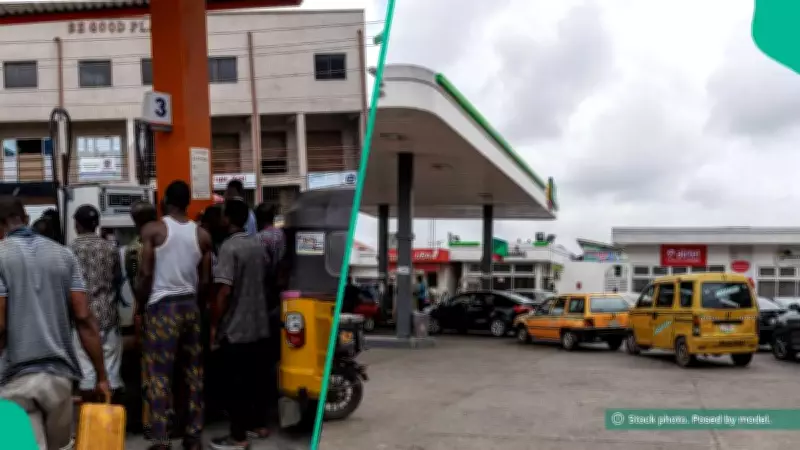
The Nigerian National Petroleum Company (NNPC) has announced a substantial increase in petrol prices nationwide, with rates rising by N180 per litre in Lagos and similar adjustments in other states. This development represents the fourth price hike within a single week, signaling ongoing volatility in Nigeria's fuel market.
Updated Petrol Rates Across Key States
The new pricing structure took effect on Tuesday, March 10, 2026, with Lagos experiencing the most significant adjustment. The price in Lagos has surged from N1,050 to N1,230 per litre, while Abuja witnessed an increase from N1,081 to N1,261 per litre. Other states have seen comparable rises, reflecting a nationwide trend of escalating fuel costs.
Here are the updated NNPC petrol prices in selected states:

- Lagos: N1,230 per litre
- Abuja: N1,261 per litre
- Abia: N1,263 per litre
- Benue: N1,256 per litre
- Kano: N1,264 per litre
- Katsina: N1,265 per litre
Dangote Refinery's Role in Price Adjustments
The NNPC price increases follow closely on the heels of adjustments made by Dangote Petroleum Refinery, which raised its ex-depot petrol price to N1,175 on Monday, March 9. David Bird, Managing Director and CEO of Dangote Petroleum Refinery, has provided detailed explanations for the continuous price escalations during a recent media briefing.
Bird attributed the rising costs to multiple factors, primarily highlighting volatility in global oil markets and escalating supply chain expenses. He emphasized that the refinery operates within international commodities markets, where crude oil prices directly influence refined product costs. According to Bird, Nigerian crude constitutes approximately 30 to 35 percent of the refinery's feedstock, with the remainder sourced from global markets and paid for in U.S. dollars.
"The involvement of multiple traders in the supply chain often adds further costs before the crude eventually reaches the refinery," Bird explained during the briefing.
Global Market Factors Driving Price Increases
Bird provided specific examples of the market volatility affecting fuel prices, noting that Brent crude prices had climbed from the mid-$60 range to approximately $118 per barrel within a week. Simultaneously, tanker freight costs experienced dramatic increases, rising from about $800,000 to roughly $3.5 million per shipment.
"I fully acknowledge the pain that is being suffered. We are seeing that. We are doing what we can to ensure that we minimise costs throughout our supply chain," Bird stated, acknowledging the impact on Nigerian consumers while explaining the market realities driving price adjustments.
Regulatory Perspective on Market Dynamics
The Nigerian Midstream and Downstream Petroleum Regulatory Authority (NMDPRA) has clarified that petrol pump price fluctuations result from market dynamics within Nigeria's deregulated downstream petroleum sector. George Ene-Ita, spokesperson for the authority, emphasized that price variations are largely determined by supply and demand forces rather than direct regulatory intervention.
This regulatory stance comes amid concerns about the ongoing crisis in the Middle East and its potential impact on global oil markets, which continue to influence domestic fuel prices in Nigeria.
Broader Implications for Nigerian Economy
The consecutive petrol price increases have raised concerns among consumers and businesses alike, with potential implications for transportation costs, inflation rates, and overall economic stability. The situation has prompted discussions about Nigeria's fuel subsidy removal and the transition to a fully deregulated market.
As the NNPC and Dangote Refinery navigate these challenging market conditions, Nigerian authorities continue to monitor the situation while emphasizing the role of market forces in determining fuel prices under the current regulatory framework.