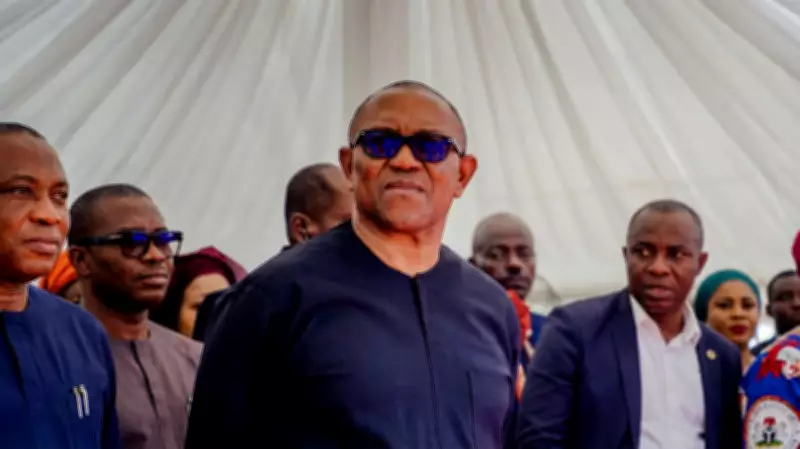
Peter Obi Criticizes Repeated ₦3.3 Trillion Debt Approvals for Power Sector
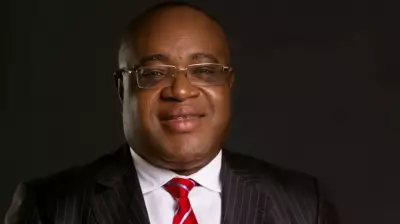
Peter Obi has strongly criticized the federal government's latest approval of 3.3 trillion naira to settle legacy debts in the power sector, describing it as a repetition of previous measures without clear outcomes or visible improvements. The former presidential candidate expressed deep concern about the pattern of similar financial approvals made in recent years, questioning whether these commitments have been properly implemented or if they represent mere announcements without execution.
History of Similar Approvals Questioned
Obi pointed out that similar approvals had been made in recent years, including a 3.3 trillion naira package in May 2024 and a 4 trillion naira bond in July 2025, both aimed at addressing debts owed to power generation companies and gas suppliers. "Let us reflect, sincerely and without sentiment. In the past few days, the President has reportedly approved ₦3.3 trillion as a 'full and final' payment for debts in the power sector. Yet, this is not the first time such approvals have been made," he stated emphatically.
The political leader questioned whether previous commitments had been implemented effectively, asking pointedly: "Were the previous approvals mere announcements without execution?" He noted that these debts accumulated between 2015 and 2025 under successive administrations, raising serious concerns about fiscal management and transparency in the power sector.

Campaign Promises Versus Current Reality
Obi also referred to campaign statements by President Bola Tinubu regarding improving electricity supply, suggesting that current conditions show no significant progress despite these repeated financial interventions. He raised fundamental questions about the structure and transparency of the debts, including how they were accumulated, the total amount actually owed, and the extent to which inefficiencies by operators contributed to the mounting liabilities.
"Is the ₦3.3 trillion approved on April 6, 2026, the same as the ₦3.3 trillion approved in May 2024, and how does it relate to the ₦4 trillion bond approved in July?" Obi questioned, highlighting the confusing pattern of similar financial approvals within a relatively short timeframe.
Government Institutions and Fiscal Concerns
The former governor warned that government institutions also contribute significantly to the debt burden despite budgetary provisions, and that further payments could rely on additional borrowing, thereby deepening Nigeria's fiscal pressures. He expressed concern that without proper accountability and structural reforms, these massive financial injections might not lead to tangible improvements in electricity supply for Nigerians.
Obi's comments came after the presidency announced that President Tinubu had approved the 3.3 trillion naira plan as a "full and final settlement" of debts accumulated between February 2015 and March 2025. Officials stated that implementation has already begun, with 15 power generation companies signing agreements valued at 2.3 trillion naira and 223 billion naira already disbursed from 501 billion naira raised for this purpose.
Persistent Power Sector Challenges
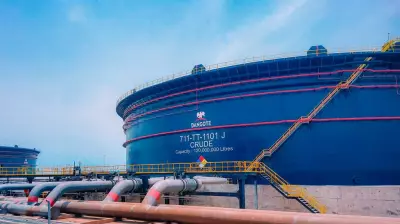
Nigeria's power sector has faced persistent challenges since its partial privatization in 2013, including severe liquidity constraints, significant infrastructure gaps, and consistently inconsistent electricity supply across the nation. The sector's financial troubles have been compounded by mounting debts to generation companies and gas suppliers, creating a cycle of financial interventions that critics argue have failed to produce sustainable solutions.
The repeated approvals of massive funds for debt settlement without corresponding improvements in power supply have raised questions about the effectiveness of current approaches to solving Nigeria's electricity crisis. Many Nigerians continue to experience frequent power outages despite these substantial financial commitments, leading to increased scrutiny of how these funds are being utilized and whether they're achieving their intended purposes.