Nigeria's Border Communities Grapple with Skyrocketing Petrol Costs
As of early April 2026, a severe energy crisis is gripping Nigeria's border towns, where petrol prices have surged to alarming levels between N1,300 and N1,400 per litre. This stark contrast to relatively stable prices in urban centres like Lagos highlights a growing disparity, with residents in remote frontier areas bearing the brunt of logistical challenges and rampant smuggling.
Ogun State Border Areas Suffer Most
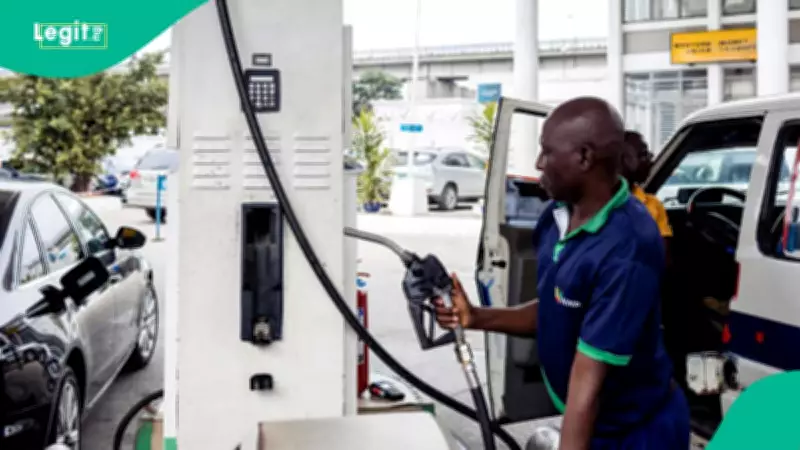
In Ogun State, particularly in communities such as Iwoye-Ketu within Imeko-Afon Local Government Area, the situation has reached a critical point. Motorists and traders report consistent price hikes, driven by high demand and difficult transportation routes over long, often unsafe roads. Every additional kilometre adds to the cost, forcing ordinary Nigerians to pay exorbitant amounts for fuel essential for generators, motorcycles, and commercial vehicles.
For many families, this price jump is not merely inconvenient but life-altering, as a single tank of petrol now consumes two days' wages instead of one. The economic strain is palpable, with local businesses struggling to cope with inflated operational costs.

Smuggling and Scarcity Exacerbate the Crisis
Despite improvements in Nigeria's local refining capacity, the border paradox persists due to massive petrol diversion across porous borders to neighbouring countries like Benin Republic and Niger Republic. Reports indicate that residents in these nations are willing to pay premium prices, creating a lucrative black-market pull that tightens local supplies and drives up costs.
In areas bordering Niger Republic, informal transactions have reportedly pushed effective prices above N2,500 per litre in some cases. Scarcity has become commonplace, with long queues forming at dawn and pumps running dry by midday. Marketers privately acknowledge that cross-border trade is too profitable to resist, leaving Nigerian border towns to suffer the consequences.
Urban-Rural Divide Widens
The contrast between urban and border areas is stark. In Lagos, petrol prices range from N1,025 to N1,200 per litre, allowing motorists to fill up without significant concern. However, just a few hours towards the border, the same litre costs hundreds of naira more, creating a two-tier Nigeria where border families feel increasingly abandoned.
This regional variance is inflating the cost of goods, as traders factor in higher fuel expenses when transporting essentials to remote areas, further burdening residents already facing economic hardships.
Urgent Calls for Government Intervention
Residents and community leaders are pleading for targeted interventions from authorities to address this escalating crisis. They describe the surge in petrol prices as an invisible "border tax" that threatens livelihoods and exacerbates poverty in these underserved regions. Without swift action, the situation is expected to worsen, deepening the hardship for thousands of Nigerians living on the nation's fringes.
As marketers continue to adjust rates, the pump price map of Nigeria tells a troubling story: proximity to the border now dictates higher costs for the same fuel that powers the country, underscoring the need for comprehensive solutions to logistics and smuggling issues.