Port Harcourt Refinery Rehabilitation Nears Completion, Awaiting NNPCL Approval
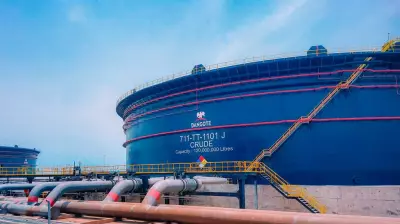
The Petroleum and Natural Gas Senior Staff Association of Nigeria (PENGASSAN) has announced that the rehabilitation of the old Port Harcourt Refinery has reached approximately 90% completion. According to the union, the facility is technically prepared to resume operations and could be restarted within one week if the Nigerian National Petroleum Company Limited (NNPCL) grants the necessary approval.
Technical Readiness Confirmed by PENGASSAN Leadership
PENGASSAN President, Festus Osifo, revealed this development during a television interview on Tuesday, February 10, 2026. Osifo emphasized that the refinery is functionally ready and could be activated almost immediately once NNPCL makes the final decision. "As of today, you can start the old Port Harcourt refinery, and it will function," Osifo stated clearly during the broadcast.
He further explained that the delay in restarting operations is not due to technical limitations but rather stems from commercial considerations that NNPCL must evaluate carefully. The association president stressed that the rehabilitation work has substantially improved the facility's operational capabilities.

Profitability Concerns Delay Operational Restart
Despite the significant technical progress, economic factors are influencing NNPCL's decision-making process regarding when to resume refining activities. Osifo highlighted that the core issue revolves around whether refining operations would generate sufficient returns under current market conditions.
He provided a concrete example to illustrate the concern, noting that processing crude oil worth $5 million at the refinery might yield petroleum products valued at approximately $4.5 million, creating a potential loss margin. As a commercial entity, NNPCL must weigh these financial factors carefully before restarting operations to ensure alignment with profit objectives and long-term sustainability plans.
Rehabilitation Investments Yield Tangible Improvements
Addressing concerns about the substantial funds invested in the refinery's overhaul, PENGASSAN maintained that the rehabilitation program has delivered measurable improvements. Osifo dismissed suggestions that the project represented a waste of public funds, revealing that critical components were replaced and upgraded during the process.
Key upgrades included:
- Modernization of compressors
- Replacement of control rooms
- Upgraded operational panels
"The money that was thrown into the Port Harcourt refinery is not a loss," Osifo asserted, adding that contractors completed substantial infrastructure upgrades that remain intact at the facility.
Enhanced Asset Value and Strategic Importance
Beyond operational readiness, Osifo argued that the refinery's overall asset value has increased significantly following the rehabilitation works. He stated that the plant is now in far better condition compared to its pre-rehabilitation state and represents a vital long-term investment for Nigeria's refining capacity.
"If you value the refinery today, it will be much more valuable than the state it was in before the rehabilitation," he emphasized, highlighting the strategic importance of maintaining and upgrading national refining infrastructure.
Background and Current Operational Status
The Port Harcourt Refining Company was officially reopened in November 2024 as part of a phased rehabilitation program aimed at restoring Nigeria's domestic refining capacity. However, operations were suspended again in May 2025 due to operational challenges, and activities have remained on hold since that time.
Interestingly, despite the official shutdown, the refinery continues to supply approximately 349,000 litres of automotive gas oil daily, according to data from the Nigerian Midstream and Downstream Petroleum Regulatory Authority (NMDPRA). This diesel was reportedly produced before the facility was shut down by NNPCL on May 24, 2025.
For Nigeria, which continues to grapple with fuel import dependence and price volatility, the eventual restart of the Port Harcourt Refinery could mark a significant milestone in strengthening local refining capacity and reducing reliance on imported petroleum products.

Contrasting Perspectives Within the Energy Sector
PENGASSAN's optimistic update comes alongside contrasting statements from NNPCL leadership. The Group Chief Executive Officer of NNPCL, Bayo Ojulari, has previously declared that Nigeria's refineries are unviable and that the state oil firm lacks the capacity to operate them effectively.
Ojulari revealed that NNPCL is seeking foreign partners to operate the refineries, noting that the facilities have consumed billions of dollars in repair costs over the years. This divergence in perspectives highlights the complex challenges facing Nigeria's refining sector as stakeholders work toward sustainable solutions.