Energy Hope Rises as Depot Owners Crash Petrol Prices Nationwide
Published 8 Feb 2026 at 6:08 PM by Dave Ibemere
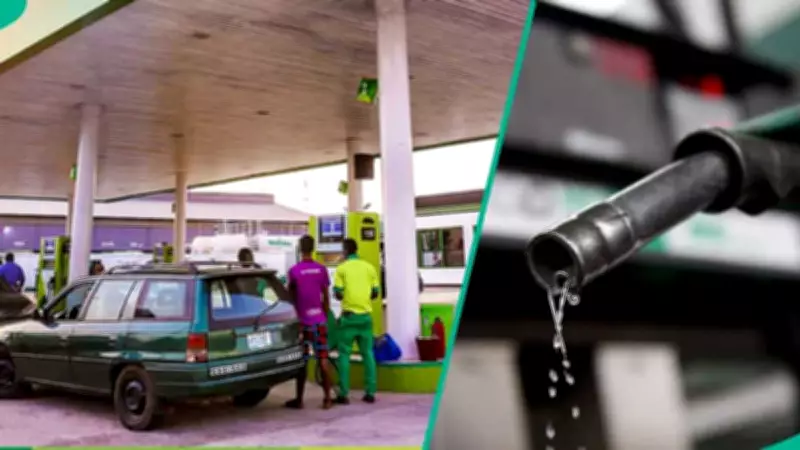
Competition for customers has significantly reduced petrol prices at private depots across Nigeria, providing marketers with more affordable options and raising hopes for lower costs at filling stations in the near future.
Price Reductions in Key Cities
In Lagos, several depots are now selling petrol below N800 per litre, a notable decrease that intensifies competition with major suppliers like the Dangote Refinery. For instance, Aiteo adjusted its Premium Motor Spirit (PMS) price from N796 to N797 per litre, while Wosbab and Shellplux reduced rates from N800 to N798, slightly undercutting Dangote's offering of N799.

Similarly, diesel prices have softened in Warri, Port Harcourt, and Calabar, as clearer signals on import licence approvals have alleviated fears of potential shortages. Ibeto and Aiteo cut diesel prices from N917 to N907 per litre, and African Terminal reduced its rates from N919 to N909, reflecting a broader trend of cost relief in the energy sector.
Mixed Movements in Regional Markets
In Warri, PMS prices showed varied trends. Depots such as Nepal lowered petrol from N820 to N816, offering a slight reprieve, while Rainoil and Matrix increased prices from N821 to N840 and N830 to N843, respectively, due to limited access to fuel supplies. Diesel prices in this region remained largely stable, with only minor increases at selective depots indicating controlled supply dynamics.
Port Harcourt experienced fluctuations in PMS prices, ranging from N829 to N853. Some depots reduced rates from N835 to N829 to attract more buyers, whereas others raised prices from N835 to N853 because of controlled availability. Diesel remained largely unavailable across this corridor, highlighting ongoing supply challenges.
In Calabar, PMS prices softened, with most depots lowering costs from N833–N837 to N816. However, limited supply helped support the market against sharper declines, as reported by Petroluemprice.ng, suggesting a cautious optimism among stakeholders.
Broader Implications for the Fuel Market
The nationwide reductions in petrol prices signal a decentralisation of fuel supply, with private depot owners increasingly influencing market dynamics. Analysts anticipate that PMS and Automotive Gas Oil (AGO) prices will remain sensitive to further reviews, potentially benefiting consumers in the long run.
As competition intensifies, depot pricing in the coming week is expected to favour consumers while encouraging marketers to optimise their distribution strategies. This shift could lead to more stable and affordable fuel options across Nigeria, easing the financial burden on households and businesses alike.
Regional Energy Developments
In related news, Ghana is preparing to import petrol from the Dangote Refinery, a move that could reshape fuel supply dynamics across West Africa and exert fresh pressure on regional pump prices. Speaking at the 2026 Nigeria International Energy Summit (NIES), Ghana's Chief Executive Officer of the National Petroleum Authority (NPA), Godwin Tameklo, described Nigeria as firmly established as a regional energy hub.
Tameklo noted that the Dangote Refinery is emerging as a critical supplier of refined petroleum products to neighbouring countries. Increased dependence on Nigeria's refined products could significantly reduce Ghana's fuel import costs, especially given the geographical proximity between the two nations. However, he cautioned that disparities between the Ghana cedi and the Nigerian naira might undermine the economic gains expected from cross-border fuel trade.
This development underscores Nigeria's growing influence in the regional energy market, with potential ripple effects on pricing and availability in the coming months.