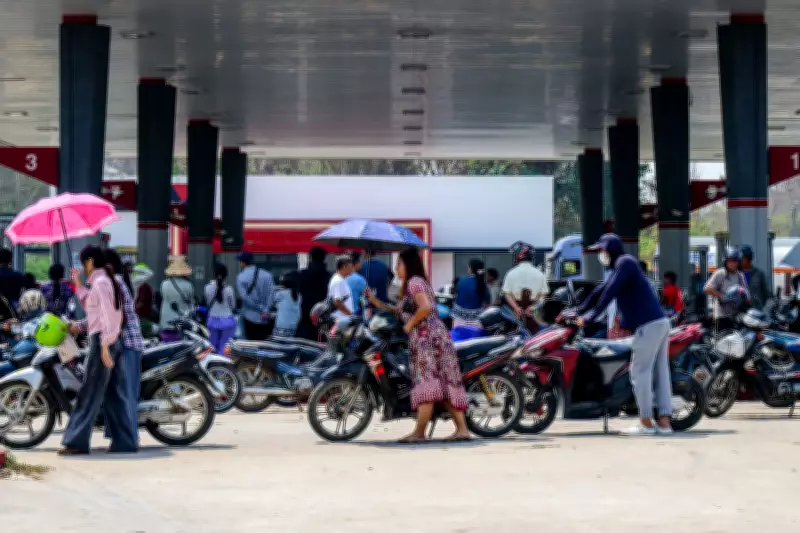
Thailand Considers Overnight Petrol Station Closures to Save Fuel Amid Iran War Impact
Thailand is actively considering the enforcement of overnight closures at petrol stations as a critical emergency measure to conserve fuel. This move comes in response to mounting global supply pressures directly linked to the ongoing Middle East conflict, particularly involving Iran.
Proposed Timing and Holiday Considerations
Prime Minister Anutin Charnvirakul has revealed that the government is weighing a policy that would mandate the shutdown of petrol stations between 10:00 p.m. and 5:00 a.m. This measure could potentially take effect as early as April 20, 2026. Speaking from Bangkok, Anutin emphasized that the timing of these proposed restrictions is likely to be scheduled after the Songkran holiday period.
During Songkran, many Thai citizens traditionally travel extensively across the country to visit family, often relying on road trips and nationwide celebrations. The prime minister reassured the public that the planned measures would not disrupt travel during this significant holiday, aiming to balance energy conservation with cultural and social needs.

Global Context and Energy Dependence
The proposal emerges as Thailand responds to escalating concerns over fuel shortages, driven by ongoing tensions involving the United States, Israel, and Iran. These geopolitical conflicts have severely disrupted global energy markets, leading to supply chain uncertainties and price volatility. Anutin highlighted that while Thailand maintains relatively strong oil reserves, the nation remains heavily dependent on imported fuel, making it vulnerable to international market fluctuations.
He urged citizens to adopt energy-saving practices, such as working from home and increasing reliance on public transportation. Anutin stressed that Thailand cannot continue managing its energy needs in the same manner, given the current global uncertainties and the pressing need for sustainable resource management.
Addressing Market Practices and Profiteering
In addition to conservation efforts, the government has raised serious concerns about fuel market practices. Prime Minister Anutin accused some traders of excessive profiteering, including activities like stockpiling and smuggling fuel. He asserted that these unethical practices have significantly contributed to shortages and rising prices, exacerbating the energy crisis for ordinary citizens.
This comprehensive approach underscores Thailand's proactive stance in addressing both immediate fuel conservation and broader market integrity issues. As the situation evolves, further details on the implementation and impact of these measures are expected to be announced by the government.