WMO Urges Nigeria to Strengthen Climate Resilience Amid Extreme Weather Warnings
The World Meteorological Organisation (WMO) has issued a compelling call for Nigeria to enhance its resilience to the escalating impacts of climate change. This urgent advice comes in response to a stark warning from the World Economic Forum's Global Risks Report, which identifies extreme weather as a growing long-term threat with severe implications for nations worldwide.
Global Risks and Local Realities
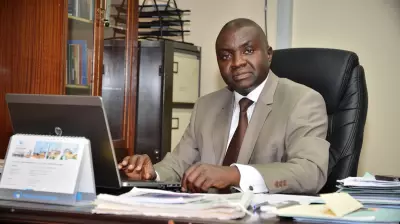
Speaking at the commemoration of the 2026 World Meteorology Day, Dr Roland Abah, the WMO representative for North Central and West African Regions, emphasized that extreme weather has been pinpointed as the foremost long-term global risk in the latest report. He underscored the immense scale of this challenge and the critical necessity for building more robust resilience systems.
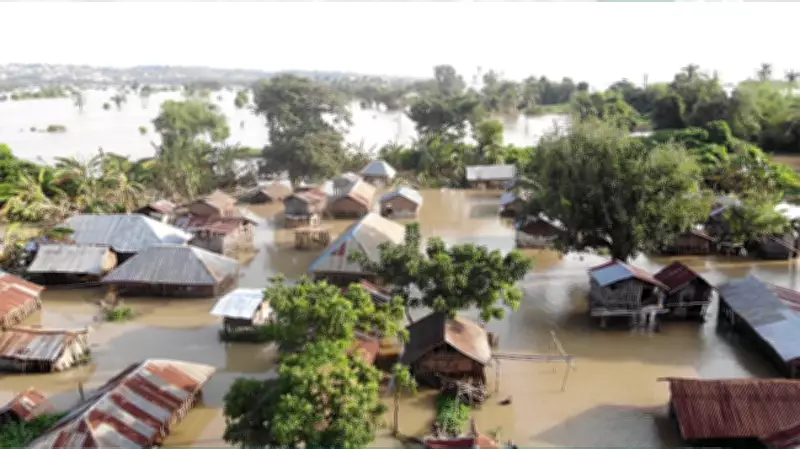
Dr Abah highlighted that Africa has experienced its warmest decade over the past ten years, marked by a disturbing increase in extreme heat events, intense rainfall episodes, devastating flooding, prolonged drought conditions, and frequent sand and dust storms. "These are not distant problems; they are today's reality all over the globe, including in Nigeria," he stated emphatically.

Investing in Observation and Prediction
Focusing on this year's theme, "Observing Today, Protecting Tomorrow," Dr Abah stressed that global observing and prediction systems remain indispensable for safeguarding human lives and supporting vital economic activities. He called for substantially increased investment in the Nigerian Meteorological Agency (NiMet), arguing that funding should not be solely the responsibility of the government.
The WMO representative urged the private sector and development partners to actively support the agency, noting that these entities are key beneficiaries of accurate climate services. He emphasized the need for sustained investment in meteorological observations to enhance early warning systems and secure a safer future for all.
Private Sector Engagement and Technological Advancements
Echoing these sentiments, the Director-General of NiMet, Prof. Charles Anosike, also advocated for greater private sector investment in climate and weather-related activities. He emphasized that such investments are crucial for strengthening meteorological observation systems and advancing weather and climate services across Nigeria.
Prof. Anosike observed that private companies worldwide are increasingly investing in innovative technologies, including:
- Advanced weather stations
- Remote sensing technologies
- Sophisticated data analytics platforms
- Artificial Intelligence (AI) weather models
- Innovative observation tools
These technologies complement national meteorological networks and enhance overall forecasting capabilities.
NiMet's Core Mandate and Daily Operations
In her remarks, Bimbo Olawumi Oladeji, Director of Public Affairs and Consumer Protection at NiMet, elaborated on the agency's commitment to the 2026 celebration theme. "The theme 'Observing Today, Protecting Tomorrow' speaks directly to the agency's core mandate," she said.
She explained that observation at NiMet is not an abstract concept but a tangible, daily effort involving:
- A network of synoptic stations
- Agrometeorological stations
- Upper-air stations
- Marine observations
These operations are conducted daily, often under challenging conditions, to keep Nigeria informed and safe from weather-related hazards.
The collective message from these meteorological experts is clear: proactive investment and enhanced resilience are imperative to mitigate the growing threats posed by climate change and extreme weather events in Nigeria.