Nigerian Woman's Ingenious Solution: Rechargeable Bulbs Provide 4-Hour Light Without Solar
In a country where power outages are a frequent challenge, a Nigerian businesswoman has publicly showcased a simple yet effective alternative to traditional energy sources like solar panels or generators. Amarachi Iwo Ebe, based in Nigeria, has revealed that she uses rechargeable bulbs to illuminate her home for approximately four hours when electricity supply is interrupted.
How the Rechargeable Bulb System Works
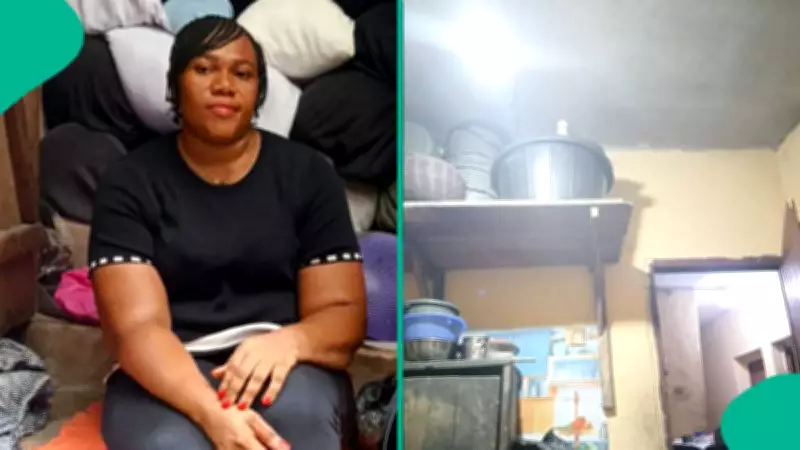
According to Amarachi, she has installed rechargeable bulbs in all rooms of her house, including the kitchen and passageways. These bulbs are designed to store energy when connected to a power source, allowing them to function independently during outages. She shared her experience in a Facebook post on April 19, 2026, accompanied by a photo of her brightly lit home, which she credited to this innovative setup.
Amarachi explained in her post: "There's no NEPA light right now, but this doesn't concern my house. You know why? There are rechargeable bulbs in all the rooms. If you cannot afford solar like me or buy fuel for a generator, why not buy this rechargeable bulb, just as I did? Trust me, you won't feel it if there's a power failure, at least for up to 3-4 hours before it gets dim."

Encouraging Others to Adopt the Alternative
The woman encouraged netizens to consider this option, especially those who find solar systems or fuel costs prohibitive. She emphasized that the bulbs provide a reliable light source while waiting for power restoration, making them a practical solution for many households. Her post quickly sparked a debate online, with mixed reactions from social media users.
Online Reactions and Discussions
Legit.ng compiled various responses to Amarachi's revelation. Some users praised the idea, while others highlighted potential limitations:
- Bridget Febisola Fashion World noted: "The rechargeable is good, but in my location where there is no light for days, it will not be useful, though we have solar and generator."
- Light Lilies advised: "If you want to buy the rechargeable bulbs, make sure you get the original ones. Some don't last. Speaking from experience."
- Akinlayo Christianah commented: "God will provide for you sis... I think the small solar is okay because you won't need light but sun to charge it."
- Dimma Nwosu pointed out: "Rechargeable bulb no be for person wey dey abuse band A with prepaid meter... your light credit will disappear within minutes."
- Aderonke Adefila Fasalojo shared: "Na wen nepa carry light for 3 days or una light spoil... u go know the meaning of solar... I have the rechargeable bulbs, but I still get sunking bulbs with fan and I can charge my phone."
Related Context and Broader Implications
This story highlights the ongoing struggles with electricity in Nigeria, where many rely on alternatives like solar, generators, or innovative solutions like rechargeable bulbs. In a related report, Legit.ng mentioned that some Nigerians face restrictions from landlords on installing solar panels, further complicating access to reliable power. For instance, a landlady, identified as @voxjane21, went viral for banning solar panel installations in her property, citing various reasons and offering alternative arrangements for tenants.
Amarachi's approach not only provides a temporary fix but also raises awareness about affordable energy options. As power outages continue to affect daily life, such grassroots innovations could inspire more people to explore cost-effective and sustainable methods to cope with energy challenges.