Aliko Dangote Unveils Ambitious Expansion into Steel, Power, and Ports
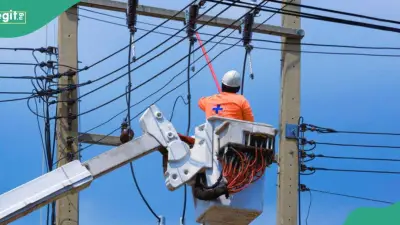
Aliko Dangote, President of the Dangote Group, has announced comprehensive plans to expand the conglomerate's operations into steel manufacturing, electricity generation, and port infrastructure development. This strategic move is part of a broader vision to accelerate industrialisation across Africa and reduce the continent's reliance on commodity exports.
From Refinery to Diversified Industrial Powerhouse
The Dangote Petroleum Refinery, currently producing approximately 650,000 barrels of refined products daily, serves as the foundation for this expansion. Dangote revealed that refinery output is projected to double within the next three years as expansion plans progress. However, he emphasized that petroleum refining represents only one component of his wider ambition to reshape Africa's economic structure.
In a recent interview with The New York Times, Dangote identified steel manufacturing, power generation, and port development as the next strategic priorities for his conglomerate. He pointed to India's Tata Group as a model for diversified industrial growth, highlighting how large-scale enterprises can drive sustainable development in emerging economies.

Addressing Structural Bottlenecks and Creating Jobs
Industry analysts note that entry into steel production would position the Dangote Group at the center of infrastructure and heavy manufacturing supply chains, as steel remains essential for roads, bridges, rail systems, and housing construction. Investments in electricity generation and port infrastructure could help address long-standing structural bottlenecks in Nigeria, including unreliable power supply and port congestion, which have historically raised production costs and weakened competitiveness.
Job creation stands as a central pillar of this expansion plan. Dangote disclosed that the refinery currently employs about 30,000 workers, with approximately 80% being Nigerian nationals. With planned investments in steel, power, and port operations, total employment within the group is expected to increase to approximately 65,000 positions. This growth aligns with Nigeria's projected need for 40 to 50 million new jobs by 2030 to absorb the country's expanding workforce.
Financial Strategy and Market Considerations
Dangote also announced plans to list shares of the refinery on the Nigerian stock exchange, a move aimed at widening ownership and allowing local investors to participate in the project. While acknowledging infrastructure gaps and crude supply constraints, he maintained that these challenges would not derail the group's long-term strategy, emphasizing the importance of bold private-sector investment in unlocking Africa's industrial potential.
The announcement comes amid market developments, including the Dangote Petroleum Refinery's recent increase of its ex-depot price for Automotive Gas Oil (diesel) from N880 to N1,050 per litre. This N170 price hike reflects global crude oil price increases influenced by the ongoing Middle East conflict and supply disruption concerns.
Transforming Africa's Economic Landscape
Industry observers interpret this planned diversification as signaling a strategic shift from dominance in specific sectors to a more integrated industrial model designed to strengthen manufacturing capacity and enhance long-term economic resilience across the continent. Dangote stressed that Africa must prioritize large-scale manufacturing capable of competing globally over continued dependence on commodity exports to achieve meaningful industrial transformation.
The Dangote Group, which already operates in cement, sugar, salt, fertilizer, and petrochemicals, continues to demonstrate its commitment to reshaping Africa's economic future through strategic investments and visionary leadership in key industrial sectors.