Technology Opens Doors for Jobless Youth
Nigeria's unemployment and underemployment challenges continue to push millions of young people toward entrepreneurship and informal business opportunities. Yet for many aspiring entrepreneurs, one obstacle remains constant: the lack of startup capital. Amid these challenges, a quiet transformation is taking place across markets, neighbourhood stores, and roadside kiosks, where technology is helping young Nigerians establish airtime and data retail businesses with little or no upfront investment.
How Technology Lowers the Barrier to Entrepreneurship
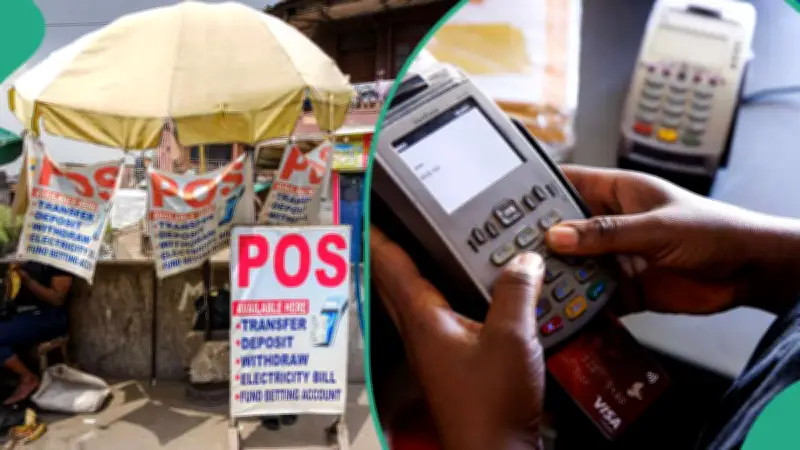
The days when airtime sales depended on paper recharge cards are gradually giving way to digital platforms that allow vendors to sell airtime and data electronically. Through Electronic Voucher Distribution (EVD) and Electronic Airtime Distribution (EAD) technology, retailers can serve customers across multiple telecommunications networks using a single device and wallet. To support this model, Optasia, registered and operating in Nigeria since 2012, provides agents and vendors with GPRS-enabled POS terminals, desktop systems, mobile phones, and other transaction tools at no cost through its subsidiary, Nairtime.
The initiative significantly reduces one of the biggest barriers facing aspiring retailers: the cost of acquiring equipment and maintaining inventory. For many young Nigerians looking for alternative sources of income, this means they can start a micro-business without making substantial upfront investments.

Why the Single-Wallet Model Matters
Beyond providing devices, the platform allows retailers to distribute airtime and data for MTN, Airtel, Globacom, and 9mobile from one account. The single-wallet system eliminates the need for vendors to maintain separate balances for different telecom operators, helping them manage their working capital more efficiently. The result is a simplified business model that allows even small-scale retailers to operate with limited cash resources while serving a broader customer base.
Airtime Credit's Growing Role in Everyday Life
The importance of the digital airtime ecosystem became more apparent in April 2026 when emergency airtime and data borrowing services were temporarily suspended across major telecommunications networks. The disruption affected millions of Nigerians who rely on airtime advances to stay connected, conduct business, and communicate during financial emergencies.
Speaking on the significance of the service, Chairman of the Association of Licensed Telecoms Operators of Nigeria (ALTON), Gbenga Adebayo, described airtime lending as a critical support mechanism for many Nigerians. Adebayo said: "The airtime credit market serves as an informal credit mechanism for millions of Nigerians, particularly traders, artisans, and small-scale entrepreneurs who depend on short-term airtime advances to sustain daily economic activity in the absence of accessible formal credit."
According to industry estimates cited by ALTON, the market is valued at between ₦300 billion and ₦400 billion annually, underlining its importance to everyday economic activity.
Millions Affected by Lending Service Suspension
Industry stakeholders estimated that more than 40 million subscribers were affected by the temporary suspension of airtime lending services earlier this year. The disruption followed regulatory concerns surrounding the Federal Competition and Consumer Protection Commission's Digital, Electronic, Online or Non-Traditional Consumer Lending Regulations. The issue eventually resulted in legal proceedings and engagements between regulators and industry operators before services gradually resumed. The restoration of airtime credit services by major operators such as Airtel and Globacom was welcomed by subscribers who depend on emergency airtime and data access for both personal and business needs.

Beyond Airtime Sales: Creating Jobs and Supporting the Economy
Beyond its network of retailers, Nairtime's operations contribute directly to Nigeria's digital economy through local employment and investment. The company employs Nigerian professionals across technology, compliance, operations, and software development functions while maintaining pension contributions and local financial obligations within the country. Its operations are also supported by financing facilities obtained from Nigerian commercial banks, ensuring that a significant portion of its activities remains connected to the domestic financial system. With a reported local currency exposure of about ₦19 billion, the company represents a growing category of fintech businesses investing in Nigeria's digital infrastructure while supporting economic activity at the grassroots level.
A Small Device Creating Big Opportunities
As Nigeria searches for sustainable solutions to unemployment and youth empowerment, technology-enabled airtime retailing is emerging as an often-overlooked source of livelihood. By removing the need for significant startup capital and providing access to digital transaction tools, platforms such as Nairtime are helping ordinary Nigerians create income-generating opportunities for themselves. For many young people seeking a path into entrepreneurship, the humble airtime business is proving that building a livelihood sometimes starts with something as simple as a mobile device and access to the right technology.