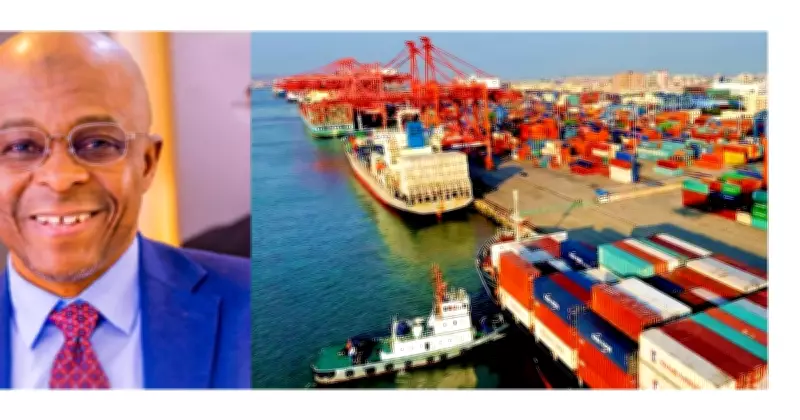
The Federal Government has approved certification and compliance processes for five proposed deep seaport projects across Nigeria. This move aims to reduce the country's heavy loss of cargo traffic to neighbouring African nations.
Massive Cargo Loss to Neighbouring Countries
Nigeria currently loses more than 70 per cent of its import cargo to ports in countries such as Ghana, Togo, and Benin Republic. Many Nigerian ports cannot handle very large vessels efficiently, leading to this significant revenue loss.
The disclosure was made by the Managing Director of the Nigerian Ports Authority, Dr. Abubakar Dantsoho. He explained that the projects are part of efforts to reposition Nigeria as a major maritime and shipping hub in Africa.

List of Approved Deep Seaports
The five proposed deep seaports approved for certification and compliance are:
- Badagry Deep Sea Port in Lagos State
- Olokola Deep Sea Port on the Ogun/Ondo axis
- Ibom Deep Sea Port in Akwa Ibom State
- Bakassi Deep Sea Port in Cross River State
- Bonny Deep Sea Port in Rivers State
According to officials, the approval means the projects have passed important legal, regulatory, and environmental stages required before full development can begin.
Benefits of Deep Seaports
Deep seaports are specially designed with deeper water channels that can receive larger cargo ships carrying thousands of containers. Many older ports in Nigeria, especially Apapa and Tin Can ports in Lagos, face congestion and infrastructure problems. This makes it difficult for some international shipping companies to operate smoothly.
As a result, many ships prefer to offload goods in neighbouring countries. The cargo is later transported into Nigeria by smaller vessels or trucks. This has led to massive revenue losses for Nigeria over the years.
Government officials believe the new seaports could help reverse the situation by attracting international shipping lines directly into Nigeria. The projects are also expected to reduce delays in cargo clearance, improve trade activities, and create thousands of jobs.
Strategic Importance of Key Ports
The Badagry Deep Sea Port is considered one of the biggest among the proposed projects. It is expected to compete with some of Africa's largest ports once completed. Authorities previously projected that the port could generate billions of dollars in revenue during its operational lifespan.
The Ibom Deep Sea Port has also been promoted as a strategic gateway for trade in West and Central Africa. Meanwhile, the Bakassi and Bonny projects are expected to strengthen maritime activities in the South-South region.
Investment and Future Outlook
Despite the approvals, the projects still require huge financial investments before construction and full operations can commence. Negotiations with private investors and international partners are reportedly ongoing.
Successful completion of the ports could improve Nigeria's economy by increasing customs revenue, boosting exports, and reducing dependence on foreign ports for cargo handling. This development comes as several African countries continue investing heavily in modern port infrastructure to dominate regional trade and shipping business.