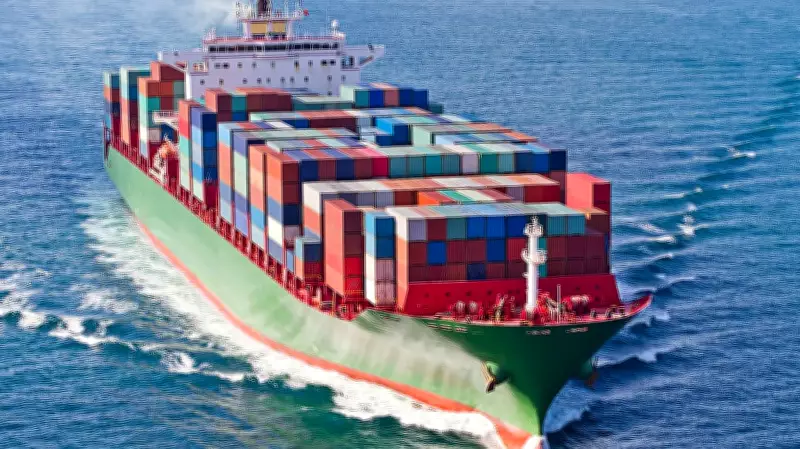
The Nigerian Shippers Council (NSC) has intensified its drive to attract private investments into the nation's ports, aiming to scale up operational efficiency and support Nigeria's ambitious $1 trillion economy target. During a joint tour of key port facilities in Lagos, including Port and Terminal Multiservices Limited (PTML), Tin Can Island, and APM Terminals Apapa, NSC officials emphasized the critical need for policy reforms and infrastructure upgrades to unlock the maritime sector's full potential.
Addressing Cargo Diversion and Regional Opportunities
Ibrahim Shema, Chairman of the NSC Board of Trustees, highlighted the urgent necessity for policy adjustments to prevent cargo diversion to neighboring countries. He pointed out that Nigeria has the strategic advantage to emerge as a major transshipment hub in West Africa, citing observations of cargo at Lagos ports destined for countries like Morocco and Ghana. Shema stressed that with the right policies, infrastructure, and private sector investments, Nigeria could effectively serve regional markets and boost its revenue-generating capacity.
Shema described ongoing investments across the port value chain as encouraging and a welcome development, noting that these efforts are vital for enhancing the sector's contribution to the national economy. He assured that the Federal Government is committed to deepening collaboration with industry players to attract more investment while supporting existing operators and port users.

Stakeholder Collaboration and Investment Prospects
Dr. Pius Akutah, Executive Secretary of the NSC, called for stronger collaboration among maritime stakeholders as the Council works to address operational challenges and attract new investments. He warned that delays in seizing emerging opportunities could result in missed benefits as reforms begin to take effect, urging local and foreign investors to capitalize on the sector's expansion phase.
Akutah disclosed that the facility tour provided NSC board and management members with firsthand insights into operational realities, challenges, and opportunities within the ports. He revealed growing investor interest, including a proposed $1 billion investment by Mediterranean Shipping Company (MSC) in Snake Island, Lagos, which he described as a strong signal of confidence in Nigeria's marine and blue economy.
Resolving Operational Inefficiencies
The NSC boss addressed concerns raised by port users over service delivery, such as hidden charges and operational inefficiencies like the use of trucks as temporary container holding bays. Akutah stated that the Council is adopting a holistic approach to resolve these issues, with observations from the tour and stakeholder engagements informing regulatory interventions aimed at promoting fairness, transparency, and improved service standards.
On the planned inclusion of indigenous barge operators in cargo movement, Akutah noted that implementation requires careful planning and inter-agency coordination. He added that the Federal Ministry of Marine and Blue Economy is keen on fast-tracking the process, but critical issues like security, infrastructure, operational standards, and vessel capacity must first be addressed.
Industry Perspectives on Finance and Regulation
Jacob Losso, Managing Director of Mediterranean Shipping Company (MSC), emphasized that finance and regulation play a central role in shaping the maritime industry. He urged stakeholders to work collectively to ensure smoother and more efficient operations, boost revenue, position Nigeria as a regional transshipment hub, and bring sustainable economic benefits. Losso highlighted the importance of effective communication between operators, regulators, and policymakers to resolve operational bottlenecks and unlock growth opportunities.
Keshiro Babatunde, General Manager of Ports and Terminal Multiservices Limited (PTML), noted that continuous investment in equipment and infrastructure has positioned the terminal to meet growing demand and maintain service quality for both local and international clients. He explained that the facility has evolved beyond its original design to accommodate increasing vessel sizes and rising global trade demands, underscoring the necessity for ongoing private sector involvement.