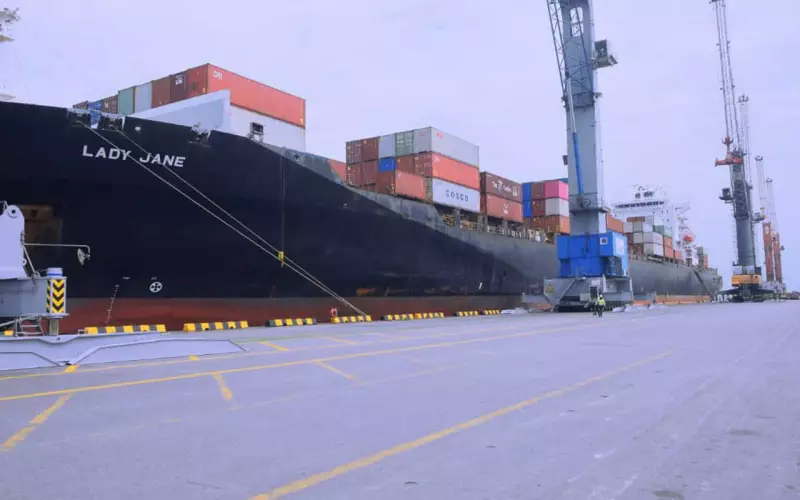
The daily reality for businesses and workers around the strategic Onne Ports in Rivers State is one of debilitating traffic gridlock. This congestion, a direct consequence of urbanization and overpopulation, has escalated from a mere nuisance to a severe threat to economic activity, safety, and well-being in the region.
The Economic Hub Strangled by Congestion
Onne, a town near Port Harcourt, is not just another local port. It is officially recognized as one of the world's largest Oil and Gas Free Zones (OGFZ), hosting major corporations like Tonimas Oil, WACT/APM, Dangote Cement, Indorama, and Intels. Despite its mighty economic role, operations are far from smooth. The primary culprit is the relentless gridlock caused by a high volume of trucks, reckless driving, and what many describe as improper planning.
For the staff of these companies, the gridlock translates into a cascade of personal and professional crises. The risks are multifaceted and severe:

- Increased accidents and threats to road safety.
- Potential job loss due to chronic lateness and missed targets.
- Worker burnout, poor sleep, and significant emotional trauma.
- Disruption of personal life, including the inability to attend religious or family programmes.
The situation becomes particularly dire after nightfall. The probability of robbery, kidnapping, or assault rises astronomically when workers, delayed for hours, are finally dropped off late and forced to find their way home in the dark. A vehicle meant to drop staff by 6 p.m. might only arrive by 7:30 or 8:30 p.m., leaving individuals vulnerable.
A Snapshot of the Daily Chaos
The scene at closing time paints a clear picture. Workers, initially relieved that the day's tasks are over, have their moods shattered upon encountering the wall of stationary vehicles and oppressive heat. Announcements like 'There’s a hold-up at the Seven-storey Building; everywhere is blocked' have become a dreaded daily refrain. This logjam not only steals time but also strangles the productivity of one of Nigeria's most critical economic zones.
Six-Point Roadmap to Resolution
Addressing the Onne ports gridlock requires urgent, coordinated action from multiple stakeholders. The following solutions have been proposed to untangle the roads and restore efficiency:
1. Strict Law Enforcement: The Federal Government must prosecute Customs officials contributing to unnecessary delays and impose severe penalties on truck drivers who fail breathalyser tests. Reckless driving must have consequences.
2. Infrastructure Expansion: Currently, only one federal road connects Port Harcourt to the ports. Onne urgently needs two additional federal motorways for optimal goods movement. The ongoing bridge construction at Aleto and other projects initiated by President Bola Tinubu along the port road must be completed on time. Furthermore, constructing a flyover at the critical Akpajo Junction is essential to reduce congestion.
3. Traffic Management & Road Clearing: Adequate traffic personnel must be deployed to strategic points. Parking or abandoning vehicles on the road must be criminalized. Any broken-down truck should be evacuated immediately to prevent triggering a long tailback.
4. Designated Truck Parks: The Nigerian Ports Authority (NPA) should partner with the Rivers State government to provide vast parking spaces for trucks. Drivers should then load and offload in an orderly, turn-by-turn system. Stationary trucks clogging the highway from Tonimas to the Oil Mill axis must be moved to alternative parks far from major roads.
5. Towing and Corporate Accountability: Government agencies should not hesitate to tow abandoned or illegally parked trucks. Moreover, companies whose drivers flout FRSC rules and disrupt port operations should be held jointly responsible alongside the prosecuted individual.

6. Stakeholder Collaboration: The Shipping Trade Practitioners Association of Nigeria (STPAON), the NPA, relevant government agencies, and ship charterers must collaborate on the joint boarding initiative. This is aimed at reducing the late arrival of cargoes in Onne waters, which contributes to the rush and congestion.
Ultimately, resolving the Onne ports gridlock demands that President Bola Tinubu, the state government, and all critical stakeholders put their shoulders to the wheel. The cost of inaction is measured in lost productivity, endangered lives, and a stifled national economy.