The global shipping industry faces a severe threat from the increasing and often unjust detention of seafarers in drug-related cases, a trend that is exacerbating the worldwide shortage of skilled maritime labour and putting international trade at risk. This warning comes from key industry stakeholders following a recent court order in Nigeria.
Innocent Crews Bear the Brunt of Drug Smuggling
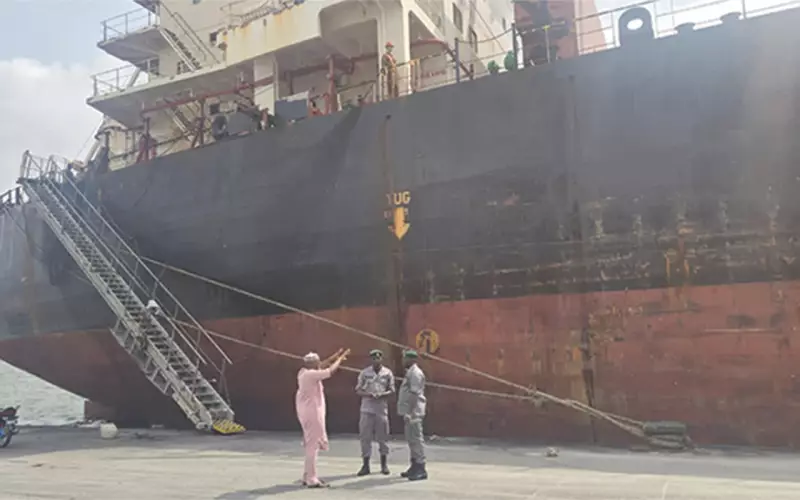
The alarm was raised after the Federal High Court ordered the continued detention of 22 crew members and the Brazilian vessel, MV Aruna Hulya. This followed the seizure of 31.5 kilogrammes of cocaine at Apapa port and the public disclosure of the detained seafarers' identities.
Professor Alfred Oniye, Secretary General of the Merchant Seafarers Association of Nigeria and USA, highlighted the core injustice. He stated that seafarers are increasingly detained whenever narcotics are found on commercial ships, frequently without any concrete evidence linking them to the crime. These detentions often rely on assumption, violating the fundamental legal principle of "innocent until proven guilty."

Oniye, who also serves as Dean of Faculty at City University, Cambodia, explained that crew members are usually unaware of the narcotics, which are smuggled aboard by sophisticated criminal networks using advanced concealment methods. The consequences for the detained seafarers are devastating, involving months or even years in foreign detention, cut off from family, legal aid, and income.
Wider Impact on Maritime Sector and Global Trade
The human cost is immense, but the damage extends far beyond individual suffering. Oniye warned that the fear of wrongful arrest is discouraging young people from pursuing seafaring careers, directly worsening the global shortage of skilled maritime labour. Seafarers operate over 100,000 merchant vessels responsible for moving 90% of world trade by sea, making this shortage a critical threat to the global economy.
Shipping companies also suffer significant losses from operational delays, reputational harm, and spiralling insurance costs when vessels and crews are detained. Emmanuel Maiguwa, President of the Maritime Security Providers Association of Nigeria (MASPAN), quantified part of the burden, noting that legal and operational expenses from such incidents can reach $6 million—a crippling sum, especially for smaller operators.
Calls for Urgent Reform and Shift in Accountability
Stakeholders are united in calling for urgent systemic reforms. Capt. Douglas Zakana, Managing Director of Izonibe Oil and Gas Marine Limited, urged the Federal Government and security agencies to shift their investigative focus from low-level crew members to ship owners and cargo owners in drug trafficking cases. He stressed that vessels are registered with IMO numbers and are traceable to their owners, who bear greater responsibility.
Zakana also advised seafarers to exercise more caution, urging them to conduct background checks on potential employers and shipping companies before accepting jobs to avoid being implicated in crimes. He reminded crews of their duties under the International Ship and Port Facility Security (ISPS) Code, which empowers them to monitor cargo and report suspicious items before departure, a practice that could prevent many wrongful arrests.
The consensus among experts is clear: without urgent action to strengthen port security, establish clearer legal protocols, and implement stronger protections for seafarers, the viability of the maritime industry and the global trade it supports remains in serious jeopardy.