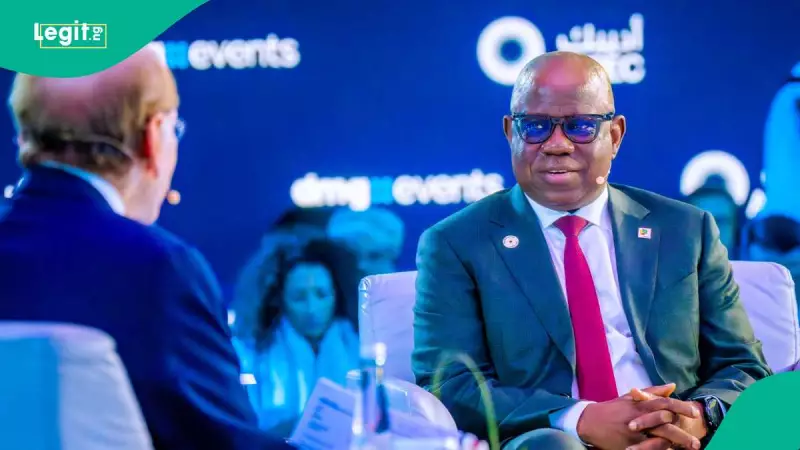
In a significant assessment of Nigeria's energy sector leadership, public policy analyst James Okafor has detailed the strategic direction set by the Group Chief Executive Officer of the Nigerian National Petroleum Company Limited (NNPCL), Bayo Ojulari, within eight months of his appointment.
Redefining Nigeria's Continental Energy Role
Okafor stated that as global energy investment patterns undergo a major shift and traditional markets tighten, the NNPCL is strategically redefining its relevance beyond Nigeria's national borders. He emphasized that under Ojulari's leadership, the state-owned company has moved beyond its traditional role as Nigeria's oil producer to position itself as a consistent advocate for regional energy collaboration and a long-term continental energy partner.
The analyst, whose evaluation was published on December 28, 2025, noted that while regional engagement is not new to Nigeria's energy diplomacy—evidenced by projects like the West African Gas Pipeline—the approach under Ojulari has gained remarkable coherence. Diplomacy, infrastructure development, and commercial logic are now being sustained as integrated components of a broader diversification strategy, moving away from episodic engagements.

Advocacy for Africa-Led Energy Solutions
Okafor highlighted that Ojulari's outward focus is a direct response to global trends, including declining European investment in fossil fuel infrastructure and anticipated refinery shutdowns. The NNPCL boss has consistently argued at forums like the African Petroleum Producers’ Organisation CEOs Forum that Africa can no longer rely solely on external capital to define its energy future.
This philosophy is most visibly embodied in the ambitious Nigeria–Morocco Gas Pipeline project. Spanning over 5,600 kilometres, the pipeline is designed to supply gas to multiple West and North African nations, promising not just export revenue but also industrial growth, power generation, and expanded energy access along its route. Okafor acknowledged the challenges around financing and multi-country alignment but credited Ojulari with maintaining steady engagement through clearer payment frameworks and phased implementation plans, which have helped preserve the project's credibility.
Strategic Positioning Over Quick Wins
According to the analyst, Ojulari's tenure, which began following his appointment by President Bola Tinubu, has not been about promising quick wins. Instead, his focus has been on strategic positioning: keeping critical projects alive, strengthening international partnerships, and aligning NNPCL's regional ambitions with its commercial transformation mandated by the Petroleum Industry Act (PIA).
Okafor pointed out that NNPCL's regional strategy under Ojulari builds on lessons learned from existing infrastructure like the West African Gas Pipeline, informing improved governance and dispute-resolution approaches. Rather than seeking dominance, Nigeria is framed as a reliable anchor partner, supplying resources while respecting the sovereignty of partner nations—an approach that builds trust in a region where it has often been lacking.
The benefits for Nigeria are both economic and strategic. Long-term gas contracts diversify revenue streams, reduce exposure to volatile oil prices, and reinforce the country's geopolitical influence. Furthermore, the clearer governance and fiscal structures established under the PIA have strengthened NNPCL's appeal as a credible partner for regional projects.
Beyond pipelines, Ojulari has emphasized collaboration in energy transition initiatives, infrastructure sharing, and technical exchange, ensuring NNPCL plays a central role in shaping Africa's energy discourse. In a volatile global energy environment, Okafor concluded that this measured, strategic approach may prove decisive for Nigeria's future.
The assessment also referenced earlier calls for the presidency to shield Ojulari from attacks by vested interests. Policy analyst and former THISDAY News Editor, Jonathan Eze, had in August urged President Tinubu to protect the NNPCL boss, citing reforms that saved billions of naira and improved governance under his hands-on leadership.