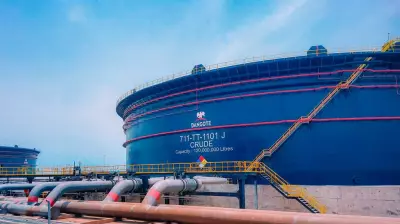
The Federal Government has intensified its response to the latest legal challenge filed by Dangote Refinery over fuel import licences, with the Office of the Attorney General of the Federation (AGF) now leading a coordinated defence alongside the Nigerian National Petroleum Company Limited (NNPC Ltd.) and key industry regulators.
The case, filed before the Federal High Court in Lagos under suit number FHC/L/CS/857/2026, has reignited debate over fuel imports, domestic refining capacity, and Nigeria’s long-term energy security strategy.
AGF Takes Over Case
Attorney-General of the Federation and Minister of Justice, Lateef Fagbemi, has taken over the case against Dangote Refinery. The refinery is seeking a court order to stop the issuance and renewal of licences for the importation of Premium Motor Spirit (PMS), Automotive Gas Oil (AGO), and Jet A1 fuel. The refinery argues that its production capacity is sufficient to meet local demand and that continued fuel imports are no longer necessary.

Dangote Raises Concerns Over Crude Supply
In its suit, the refinery also accused government agencies, including NNPC Ltd., of failing to ensure adequate crude oil supplies needed to sustain refinery operations. This development has added another layer to the ongoing dispute between the refinery and key players in Nigeria’s petroleum sector, particularly regarding crude allocation and the country’s post-subsidy fuel supply framework.
Following a Federal High Court order directing all parties to maintain the status quo, the AGF requested official positions from NNPC Ltd. and other agencies involved in the matter as preparations for the hearing commenced.
NNPC Warns Against Halting Fuel Imports
In its submission to the AGF, NNPC strongly opposed Dangote’s request, arguing that restricting fuel import licences could threaten Nigeria’s fuel security and weaken emergency supply arrangements. The national oil company maintained that it has a statutory responsibility under the Petroleum Industry Act (PIA) to act as the supplier of last resort. According to NNPC, this role requires continuous planning for imports, maintaining strategic reserves, and ensuring nationwide fuel distribution capabilities in the event of supply disruptions.
Officials familiar with the matter disclosed that NNPC warned the AGF that granting the refinery’s requests could limit the country’s ability to respond quickly to fuel shortages and emergencies.
NNPC Challenges Legal Basis of Suit
NNPC also argued that the new lawsuit closely resembles an earlier case filed by Dangote Refinery in 2024, which was later withdrawn. According to the company, the current action seeks to revive similar claims based on Sections 317(8) and 317(9) of the Petroleum Industry Act. NNPC contends that these provisions can only be enforced through a formally activated Backwards Integration Policy, which it says has not been implemented through any official government directive or gazette.
The company further argued that the provisions cited by the refinery do not apply to NNPC due to its existing refining and trading interests in the Port Harcourt, Warri, and Kaduna refineries.
High-Stakes Case for Nigeria’s Fuel Market
NNPC is seeking to join the suit as a necessary party, alongside the Nigerian Midstream and Downstream Petroleum Regulatory Authority and the Nigerian Upstream Petroleum Regulatory Commission. Industry analysts say the court’s eventual decision could significantly shape Nigeria’s petroleum supply structure, fuel import regime, market competition, and the future of domestic refining.
With billions of dollars invested in local refining and concerns about fuel availability still looming, the outcome of the case is expected to have far-reaching consequences for Nigeria’s energy sector and consumers nationwide.

Major Issues Fueling Nigeria’s Petrol Import Battle
Legit.ng earlier reported that a fresh legal battle involving the Dangote Petroleum Refinery, the Federal Government, and fuel marketers has reignited debate over the future of Nigeria’s downstream petroleum sector. The dispute escalated after the refinery challenged the continued issuance of petrol import licences by the Nigerian Midstream and Downstream Petroleum Regulatory Authority to several oil marketers and the Nigerian National Petroleum Company Limited. Meanwhile, the Depot and Petroleum Products Marketers Association of Nigeria (DAPPMAN) has backed the regulator, insisting that fuel importation remains necessary to guarantee a stable supply across the country.