ExxonMobil Signals Major $24 Billion Investment in Nigeria's Deepwater Oil Sector
ExxonMobil has indicated a substantial potential investment of up to $24 billion in Nigeria's deepwater oil sector, a move that could significantly boost the country's energy landscape. This development emerged during a high-level visit by senior executives from ExxonMobil to the Nigerian Upstream Petroleum Regulatory Commission (NUPRC) headquarters in Abuja, coinciding with the 20th anniversary of the Erha deepwater project.
Renewed Commitment to Nigeria's Oil Industry
In an official release signed by the Head of Media and Corporate Communications at NUPRC, ExxonMobil's Senior Vice President for Deepwater, Hunter Farris, was quoted as stating that the company is "renewing its vows to Nigeria." This statement underscores a renewed long-term commitment to the Nigerian oil and gas industry, following recent announcements by other major players like Shell.
Focus on Bosi Field Development
At the heart of this proposed multi-billion dollar investment is the Bosi field, strategically located near the existing Erha asset. ExxonMobil estimates that capital expenditure ranging from $15 billion to $16 billion will be required to develop this field. The plan includes:

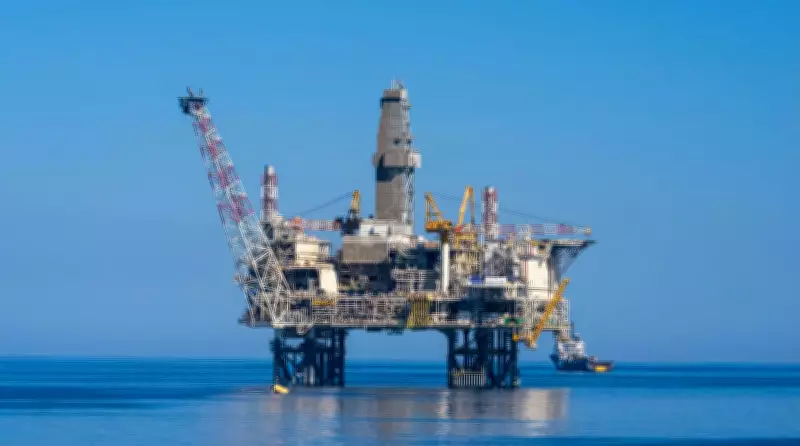
- Construction of a new floating production storage and offloading (FPSO) unit
- Installation of associated pipelines to facilitate oil transportation
- Enhancement of offshore infrastructure to support production operations
This scale of investment highlights a potential resurgence of large-ticket upstream commitments in Nigeria's offshore segment, signaling confidence in the sector's growth prospects.
Regulatory Support and Future Outlook
In response to ExxonMobil's announcement, NUPRC's Chief Executive, Oritsemeyiwa Eyesan, warmly welcomed the development. She assured the company of full regulatory support to ensure timely project execution and emphasized the commission's commitment to creating an enabling environment for such significant investments.
The proposed $24 billion investment, if realized, would represent one of the largest single commitments to Nigeria's oil sector in recent years, potentially creating jobs, boosting government revenue, and strengthening the country's position as a major oil producer in Africa.