Nigeria Among Top 10 African Countries with Lowest Petrol Prices in April 2026
Nigeria has been ranked among the top 10 African nations with the lowest petrol prices in April 2026, according to the latest comparative data from Global Petrol Prices. The data reveals that Nigeria holds the 8th position for the cheapest fuel on the continent, with a price of $0.887 per litre. This ranking highlights Nigeria's position in a competitive African fuel market, though domestic consumers are facing higher costs due to recent price hikes.
Top African Countries with Cheapest Fuel Prices
The Global Petrol Prices report provides a detailed breakdown of the top 10 African countries with the most affordable petrol prices as of April 2026. The list is dominated by oil-producing nations, reflecting their advantage in fuel production and distribution. Here are the rankings:
- Libya: $0.023 per litre
- Angola: $0.327 per litre
- Algeria: $0.354 per litre
- Egypt: $0.439 per litre
- Sudan: $0.700 per litre
- Tunisia: $0.858 per litre
- Niger: $0.878 per litre
- Nigeria: $0.887 per litre
- Ethiopia: $0.902 per litre
- Gabon: $1.048 per litre
This data underscores the significant price disparities across the continent, with Libya offering the cheapest fuel at just $0.023 per litre, while Gabon tops the list at $1.048 per litre. Nigeria's placement at 8th indicates a relatively low cost compared to many other African nations, but it also masks the domestic challenges faced by consumers.

Domestic Fuel Price Increases in Nigeria
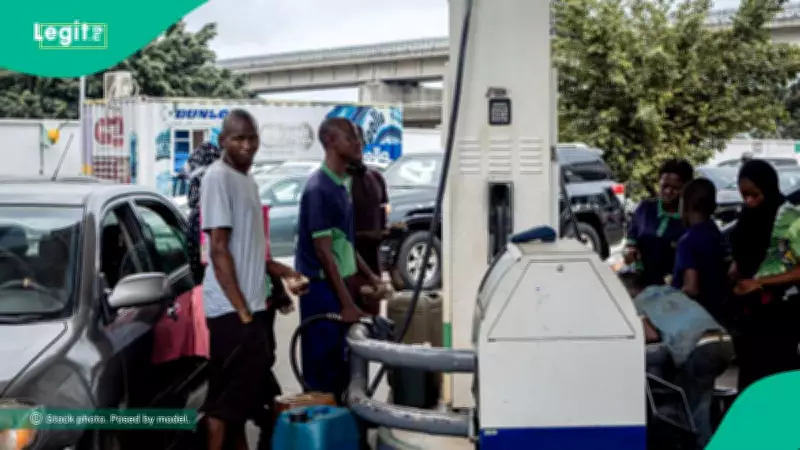
Despite Nigeria's ranking among the cheapest fuel markets in Africa, the reality for Nigerian consumers is starkly different. Petrol prices in the country have surged from an average of N900 per litre to over N1,200 per litre, with some filling stations charging as high as N1,400 per litre. This increase has placed a heavy burden on households and businesses, contributing to rising inflation and economic strain.
The ranking is based on national average retail prices for gasoline in dollars, which does not account for local economic factors such as currency fluctuations, subsidies, and distribution costs. In June 2025, Nigeria was ranked 5th among countries with the lowest petrol prices in Africa, indicating a slight decline in its position over the past months.
Dangote Refinery Adjusts Petrol Prices
In a related development, the Dangote Refinery announced a reduction in its ex-depot petrol price on Wednesday, April 8, 2026. The price was lowered to N1,200 per litre from N1,275 per litre, effectively reversing a previous increase of N75 per litre. This adjustment reflects the volatile nature of global crude oil markets, which are influenced by geopolitical tensions and supply disruptions.
A senior official at the refinery explained that the pricing changes are driven by global crude oil benchmarks and broader market dynamics. The official stated, "The adjustment of prices is in line with global market trends. External factors, including tensions in the Middle East, directly impact refined product pricing." Additionally, the refinery increased the price of Automotive Gas Oil (AGO), commonly known as diesel, by N200, raising it from N1,750 to N1,950 per litre.
NNPC Reduces Petrol Prices at Retail Outlets
The Nigerian National Petroleum Company Limited (NNPCL) has also implemented price reductions at its retail outlets. Data shows that petrol is now selling at N1,255 per litre, down from N1,330, representing a reduction of N75. In Abuja, NNPCL filling stations reduced prices to N1,295 per litre from N1,361, a cut of N71 per litre. These adjustments are part of ongoing efforts to stabilize fuel prices in response to global market conditions.
Global geopolitical tensions, particularly around the Strait of Hormuz, have increased uncertainty in oil markets. Conflicts involving Iran, the United States, and Israel have raised concerns over supply disruptions, further impacting fuel prices worldwide. Nigeria, as a major oil producer, remains vulnerable to these external shocks, which affect both international rankings and domestic costs.

In summary, while Nigeria ranks 8th among African countries with the lowest petrol prices in April 2026, domestic consumers are grappling with significant price increases. The interplay between global oil markets, refinery adjustments, and state-owned company pricing strategies continues to shape the fuel landscape in Nigeria, highlighting the complex dynamics of energy economics in the region.