Nigeria's Crude Evacuation Crisis: Why Pipeline Fixes Are Key to Boosting Oil Output
Nigeria's oil sector remains a cornerstone of the nation's fiscal stability, yet persistent inefficiencies in crude evacuation continue to undermine the full potential of production. At a time of fluctuating global oil prices and growing domestic refining capabilities, the focus has shifted from mere production volumes to the critical challenge of efficiently transporting barrels to export terminals and local refineries. This analysis delves into the complexities of Nigeria's midstream bottlenecks and the role of infrastructure like the Amukpe–Escravos Pipeline (AEP) in addressing these issues.
The Midstream Bottleneck: A Persistent Challenge
Nigeria's oil industry has long grappled with midstream constraints that severely impact export earnings. While upstream production often dominates policy discussions, the reliability of pipelines and terminals ultimately dictates revenue streams. Repeated disruptions on key infrastructure, such as the Trans-Forcados Pipeline System, have historically led to production shut-ins, deferred cargoes, and significant revenue losses due to vandalism, theft, and maintenance failures. These challenges highlight the urgent need for robust evacuation solutions to safeguard Nigeria's economic interests.
The Amukpe–Escravos Pipeline: A Partial Solution
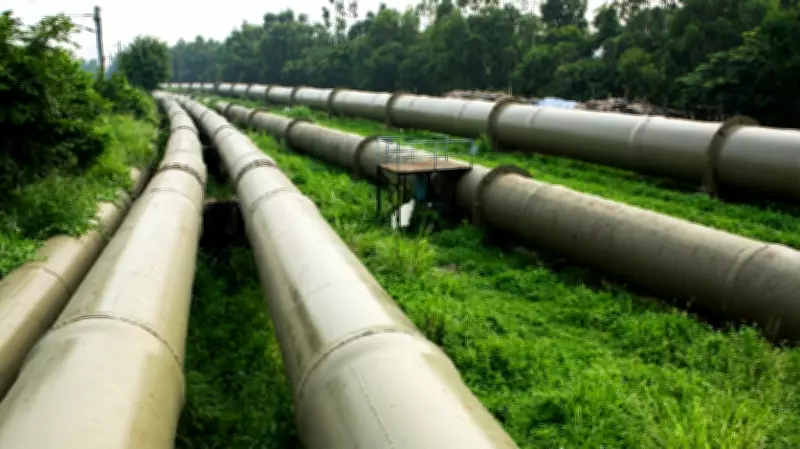
The AEP, a 67-kilometre pipeline linking western Niger Delta production hubs to the Escravos export terminal, has been promoted as a vital midstream intervention. With a capacity of approximately 160,000 barrels per day, it offers an alternative evacuation route aimed at reducing dependence on single corridors and enhancing system resilience. Early operational data indicates that over 24 million barrels have been evacuated through the pipeline since its commissioning, demonstrating a degree of functionality. However, portraying the AEP as a comprehensive fix risks oversimplifying Nigeria's deeper structural weaknesses.

Broader Structural Weaknesses and Limitations
Nigeria's crude evacuation problems extend beyond a mere lack of pipeline routes. They are rooted in pervasive issues such as security risks, regulatory uncertainty, commercial constraints, and chronic underinvestment across the midstream network. For instance, the AEP faces commercial and technical limitations that restrict its utilization. Industry sources reveal that access is constrained by stringent crude quality specifications and tariff arrangements, excluding certain producers. Parameters like API gravity, gas-oil ratio, and Reid vapour pressure requirements mean not all crude streams can be transported, leading to underutilized capacity despite existing demand.
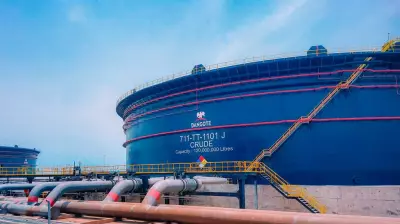
Moreover, while the AEP incorporates modern engineering standards, including Horizontal Directional Drilling to mitigate vandalism, it operates within a vulnerable ecosystem. Ageing infrastructure, weak regulatory enforcement, and inadequate investment in storage and distribution continue to erode efficiency gains. The issue of storage is particularly critical; Nigeria's limited strategic reserves leave the country exposed to supply shocks, undermining the benefits of improved evacuation routes.
Downstream Developments and Consumer Impact
Recent data from the Nigerian Midstream and Downstream Petroleum Regulatory Authority (NMDPRA) shows that in February 2026, local refineries supplied about 92% of Nigeria's petrol needs, with imports dropping to roughly three million litres per day—one of the lowest levels in nearly a decade. While this indicates progress toward self-sufficiency, it has not translated into lower fuel prices. Petrol continues to sell above N1,200 per litre in major cities, highlighting a disconnect between supply improvements and consumer outcomes. This underscores a broader lesson: infrastructure upgrades in one segment of the value chain do not automatically resolve inefficiencies elsewhere.

Geopolitical and Market Dynamics
Geopolitical risks further complicate Nigeria's oil outlook. Global supply chain disruptions, whether from conflicts in the Middle East or shifts in trade flows, directly impact export revenues. In this volatile environment, additional evacuation capacity like the AEP may provide some buffer, but it cannot fully shield Nigeria from external shocks. The pipeline's strategic value is also tied to Nigeria's ambitions to increase crude production and expand domestic refining. As new refineries come online, ensuring a steady feedstock supply becomes crucial, yet this depends on factors beyond evacuation, such as pricing frameworks and foreign exchange availability.
Indigenous Involvement and Future Prospects
Proponents of the AEP argue that it represents a shift toward building resilience in Nigeria's energy infrastructure, with indigenous companies like Pan Ocean Oil Corporation and the Nigerian Exploration and Production Limited (NEPL) showcasing growing local capacity. However, this evolution raises questions about financing, governance, and long-term sustainability. Large-scale projects require consistent regulatory support, transparent commercial frameworks, and sustained investment—areas where Nigeria's oil sector has historically struggled.
Conclusion: Beyond Isolated Solutions
The Amukpe–Escravos Pipeline exemplifies both progress and limitations in Nigeria's oil sector. It demonstrates that targeted investments can enhance system resilience, but it also reveals that piecemeal solutions cannot fully address deeply rooted inefficiencies. For Nigeria to maximize the value of its oil resources, a more integrated approach is essential. This must encompass security enhancements, regulatory alignment, commercial accessibility, and comprehensive investment across the entire value chain. Ultimately, while the AEP is a meaningful addition to Nigeria's midstream network, its impact remains constrained by the same structural issues that have long plagued the sector, underscoring the need for holistic reforms to align infrastructure, policy, and market realities.