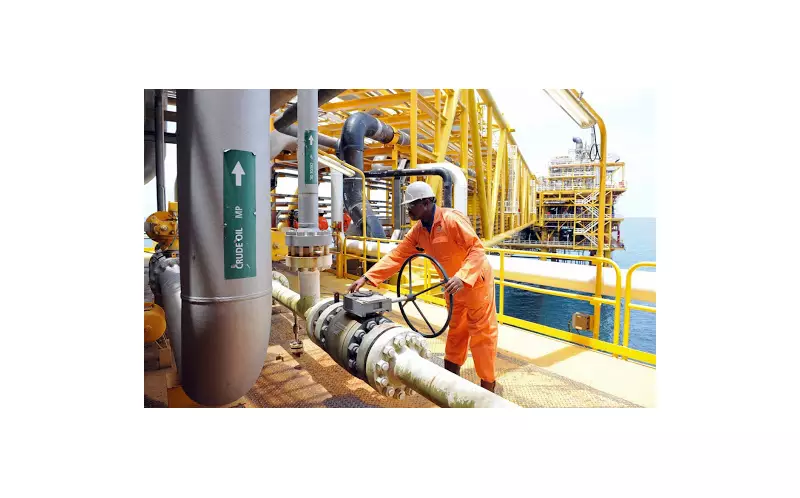
A significant boost in Nigeria's crude oil production is on the horizon, with a new industry report forecasting output could climb to approximately 1.8 million barrels per day (mbpd) by the second quarter of 2026. This potential surge represents the most substantial onshore production growth in a decade and hinges on critical developments in the Niger Delta.
The Roadmap to 1.8 Million Barrels Per Day
The Nigeria Energy Sector Outlook for Q1 2026, which serves as the basis for this projection, frames the first three months of the year as a vital preparation window. The nation is expected to exit 2025 with production in the mid-1.6 mbpd range. Achieving the 1.8 mbpd target by Q2 2026 will require converting current plans and fragile agreements in the oil-rich region into tangible, uninterrupted field activity and exports.
The single largest contributor to this anticipated increase is identified as the long-awaited Ogoni implementation programme. The report outlines a clear sequence of milestones for Q1 2026 that are essential to de-risk the timeline for later volume growth. These critical steps include:

- Formalising the community equity vehicle.
- Securing funding for the remediation escrow account.
- Appointing a lead operator or consortium.
- Initiating early civil works at the sites.
"Early civil works and safe site access in Q1 can de-risk timelines," the report states, adding that "material volume uplift remains more likely from late Q2/Q3." This underscores the coming quarter's role as the essential foundation for the subsequent production climb.
Security and Additional Production Drivers
The projected increase is inextricably linked to sustained improvements in pipeline security. While the report acknowledges persistent theft and sabotage risks, exposing between 50,000 and 80,000 barrels per day, it notes that targeted strategies are showing effect. The coordination of federal-state security taskforces and rigorous auditing of community surveillance payments are cited as critical to protecting production gains.
"Success in Q2 depends on actions taken now," the analysis warns. "Deploying smart pigging and leak detection on high-loss corridors and prosecuting organised hot-tap networks in Q1 are non-negotiable to ensure additional Ogoni and onshore volumes actually reach export terminals."
However, the Q2 rise is not reliant solely on Ogoni. It is expected to be bolstered by several other key factors:
- Steady output from offshore assets like Bonga, with the Bonga North tie-in providing highly dependable volumes.
- Incremental gains from Seplat's optimisation of recently acquired assets and the resolution of legacy issues related to Shell's onshore exit.
- Reduced losses on major trunklines, which would directly translate into higher recorded production.
Broader Economic and Fiscal Implications
A return to 1.8 mbpd production would trigger cascading positive effects across Nigeria's economy. Increased oil receipts would significantly bolster government fiscal buffers, providing more flexibility for crucial infrastructure projects and social spending programmes.
Furthermore, higher crude availability secures essential feedstock for the Dangote Refinery and the nation's modular refineries, reinforcing national fuel supply resilience and reducing dependency on imports. This combination of reduced fuel imports and higher export volumes would apply considerable positive pressure on Nigeria's foreign exchange situation, supporting the Naira and helping to cement the current disinflation trend.
The report ultimately presents an optimistic yet conditional outlook, emphasising that disciplined execution on security and community engagement in the Niger Delta during the first quarter of 2026 will determine whether this significant production uplift becomes a reality.