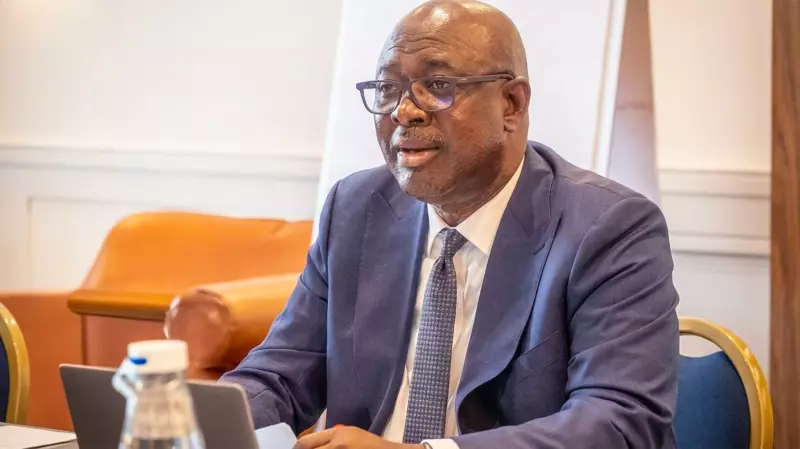
Nigeria's petroleum industry celebrated significant achievements in the past year, setting a positive tone for future growth, according to the Minister of State for Petroleum Resources (Oil), Senator Heineken Lokpobiri. The minister attributed the sector's 2025 successes to strategic reforms, fresh capital injections, and a robust strengthening of local content initiatives.
Minister Lokpobiri's 2025 Sector Review
In a detailed post on his official X (formerly Twitter) handle, Senator Heineken Lokpobiri outlined the key drivers behind the sector's performance. He emphasized that the industry remained decisively open for business throughout 2025, actively engaging with both domestic and international investors. This proactive stance facilitated the launch of new projects and the deepening of strategic partnerships across the entire value chain, from upstream exploration to downstream operations.
The minister highlighted that the reforms implemented during the year were instrumental in boosting production levels. Furthermore, these policies ensured compliance with operational obligations while maintaining a steadfast focus on sustainability. "With strong in-country value retention, the Nigerian oil sector delivered real results," Lokpobiri stated, confidently adding, "2025 was a win, and we are just getting started."

Focus on Local Content and Future Optimism
A cornerstone of the reported success is the deepened commitment to Nigerian content. The government's efforts to strengthen local participation ensured that a greater share of the economic value generated by the sector was retained within the country. This focus is expected to be a central topic at the upcoming Practical Nigerian Content (PNC) Forum in Yenagoa, where Minister Lokpobiri is slated to lead critical discussions.
The minister's positive assessment comes amidst a broader sense of optimism for the sector's trajectory. There is growing confidence that Nigeria can sustain this growth momentum in the coming years, effectively balancing investor interests with overarching national development goals. This optimism persists even as the country continues to navigate challenges in meeting its crude production quota assigned by the Organisation of the Petroleum Exporting Countries (OPEC).
Looking ahead, the minister expressed strong belief that 2026 will be an even better year for the oil and gas industry. The foundation laid in 2025 through strategic engagements, project launches, and reinforced partnerships is seen as a springboard for continued advancement and increased investment in the national economy.