Oil Prices Experience Sharp Decline Following Iranian Announcement on Strait of Hormuz
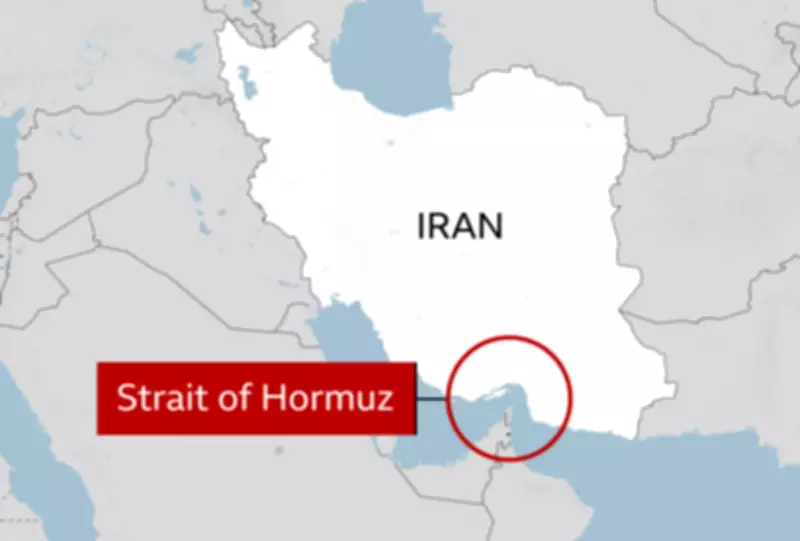
Oil markets witnessed a significant downturn on Friday, April 17, as prices dropped sharply in response to an announcement from Iranian officials regarding the Strait of Hormuz. The Iranian foreign minister declared that this critical global shipping channel would be completely open for commercial transit throughout the duration of the current ceasefire in Lebanon.
Market Reactions and Price Movements
The impact on oil benchmarks was immediate and substantial. Brent crude, the global standard for oil pricing, fell by 9.5%, settling just below $90 per barrel. Similarly, West Texas Intermediate (WTI), the U.S. benchmark, experienced a decline of 9.6%, reaching $82.60 per barrel. This drop reflects a rapid adjustment in market sentiment following the news.
In a post on social media platform X, Iranian Foreign Minister Seyed Abbas Araghchi stated, In line with the ceasefire in Lebanon, the passage for all commercial vessels through Strait of Hormuz is declared completely open for the remaining period of ceasefire, on the coordinated route as already announced by Ports and Maritime Organisation of the Islamic Rep. of Iran. This announcement came shortly after U.S. President Donald Trump confirmed on Thursday that Israel and Lebanon had agreed to a 10-day ceasefire.

Broader Economic Implications
The temporary opening of the Strait of Hormuz provided immediate relief to energy markets, which had been tense throughout the recent conflict. This key shipping lane is vital for global oil transport, and its accessibility eased supply concerns. Additionally, the news triggered a positive response in U.S. stock futures, with notable gains observed:
- The Dow Jones Industrial Average rose by 520 points, equivalent to a 1.1% increase.
- The S&P 500 gained 0.8%.
- The Nasdaq 100 increased by 0.9%.
Despite the sharp single-day drop, analysts have pointed out that both Brent and U.S. crude prices remain above their pre-war levels. This indicates that while the market has reacted positively to the ceasefire developments, underlying geopolitical risks persist.
Future Outlook and Market Monitoring
Investors and market participants are continuing to monitor the situation closely, as the ceasefire remains fragile. Further negotiations between Washington and Tehran are expected in the coming week, which could influence oil prices and global economic stability. The temporary nature of the Strait of Hormuz opening underscores the ongoing volatility in energy markets, driven by geopolitical tensions in the Middle East.
As the situation evolves, stakeholders will be watching for any signs of escalation or progress in diplomatic efforts, which could lead to further price fluctuations. The interplay between oil supply dynamics and geopolitical events remains a critical factor for global markets.