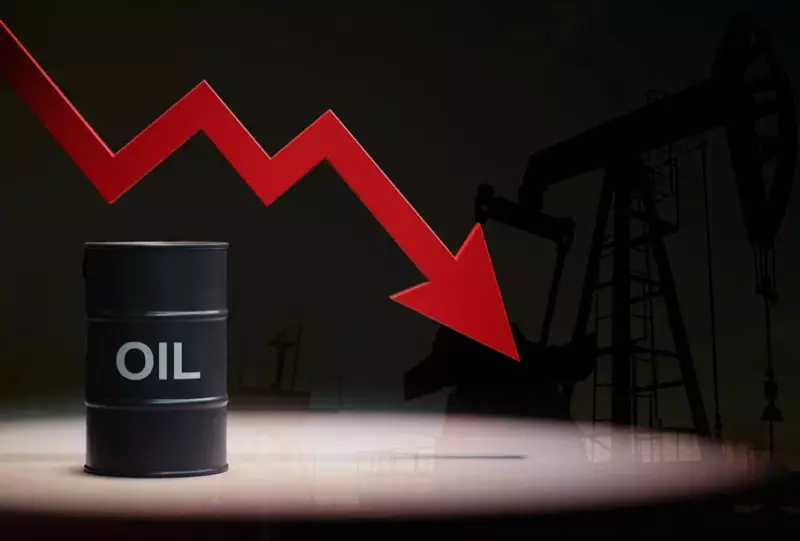
Global crude oil prices have taken a noticeable dip, sliding to $61 per barrel as political and economic instability in Venezuela continues to unsettle market confidence.
Venezuela's Massive Reserves Cast a Shadow
The price decline from over $62 comes despite the South American nation holding the world's largest proven oil reserves. Venezuela sits on a staggering 303 billion barrels, which accounts for roughly 17% of the global total. This vast potential, locked in a country facing severe internal challenges, is a key factor weighing down on market sentiment. Experts are now cautioning that if the ongoing tensions between Venezuela and the United States do not ease, we could see prices tumble further, potentially below the $60 per barrel mark.
OPEC+ Adopts a Cautious Stance
In a related development, the recent decision by the OPEC+ alliance to halt planned increases in oil output has so far failed to make a significant impact on the market. On January 4, 2026, eight member countries confirmed they would hold back production increments scheduled for February and March, attributing the move to seasonal factors.

Renowned petroleum economist, Professor Wumi Iledare, offered insight into this strategy. He described the OPEC+ action as a signal of caution rather than crisis, reflecting a careful approach designed to prevent market volatility.
Flexibility is the Key Message
"The key message is flexibility," Professor Iledare explained. "The 1.65 million barrels per day in voluntary cuts can be restored gradually, in part or in full, depending on market conditions. Current low inventories and a steady global economic outlook suggest a broadly balanced oil market."
This view was echoed in an official OPEC statement, which noted that participating countries "reiterated that the 1.65 million barrels per day may be returned gradually, in part or in full, and confirmed their intention to fully compensate for any overproduced volume since January 2024."
The current market situation highlights how geopolitical risks in major oil-rich nations can swiftly influence global prices. Investors and analysts will be closely watching the evolving situation in Venezuela and the strategic decisions of the OPEC+ alliance in the coming weeks.